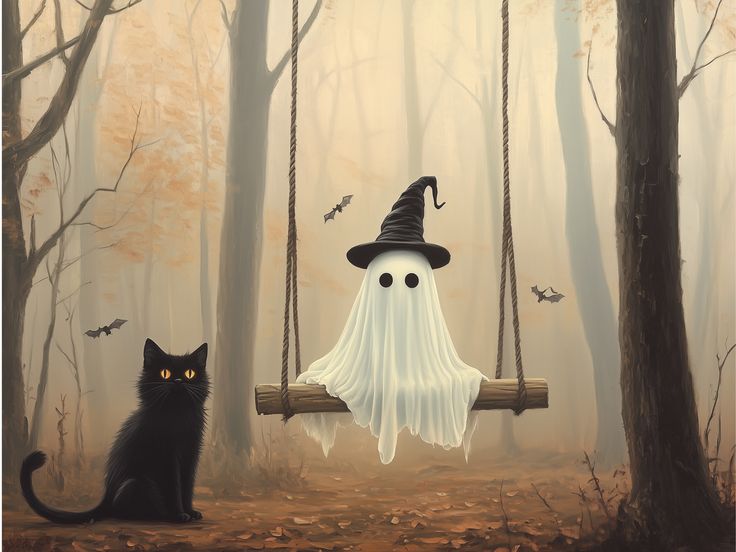
(Image found online. Original source unknown.)
Bobby “Boris” Pickett and the Crypt-Kickers: “Monster Mash” – (1962, written by Bobby Pickett & Lenny Capizzi).
(Image found online. Original source unknown.)
Bobby “Boris” Pickett and the Crypt-Kickers: “Monster Mash” – (1962, written by Bobby Pickett & Lenny Capizzi).

Hi, everyone. Welcome to this week’s edition of Music Monday.
(Image found online. Original source unknown.)
Legendary guitarist, songwriter & record producer Steve Cropper was born 85 years ago on October 21, 1941 in Dora, Missouri. When he was 9 years old his family moved to Memphis, Tennessee where the gospel music he heard left an indelible mark on him. By age 14 he received his first guitar. The first group he co-founded-The Royal Spades-eventually became known as The Mar-Keys. They started playing sessions at Satellite Records which was founded 69 years ago in October 1957 and renamed Stax Records three years later by combining the founders last names-ST for Jim Stewart and AX for his older sister, Estelle Axton.
Cropper became a strong pillar for the label, working as an A&R man, a co-founder of the house band, Booker T & The MG’s, a record producer and a songwriter. He co-wrote several songs with soul master Otis Redding (who’s own 85th birth anniversary was celebrated here in September) including his posthumous #1 song which Cropper was left to finish after Redding’s death in December 1967. Cropper also co-wrote many other high profile hit songs with Wilson Pickett and two with singer Eddie Floyd which were released 60 years ago in 1966.
When Cropper died last December at age 84, it not only hurt my heart but it ended one of my favorite chapters in all of music history. But what a life & legacy he left us with. Thank you, Crop, for everything.
Stephen Lee Cropper: October 21, 1941– December 3, 2025.
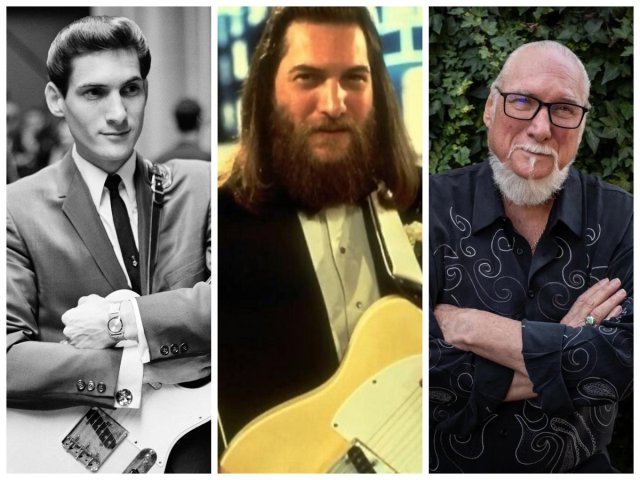
Steve Cropper through the decades (L-R) from the 1960’s, the 1970’s and the 2010’s. (Image found online. Original source unknown.)
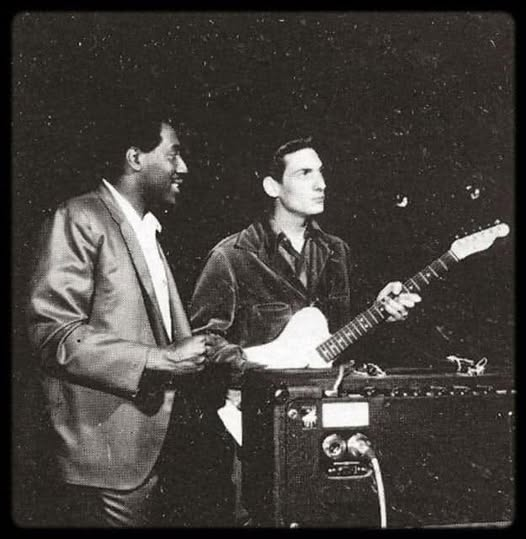
Otis Redding (L) and Cropper (R) circa 1967. (Image found online. Original source unknown.)
Daryl Hall celebrated a milestone birthday this month and it made every bone in my body feel its age. He was born Daryl Franklin Hohl 80 years ago on October 11, 1946 in Pottstown, Pennsylvania. He majored in music at Temple University in Philadelphia which is the city he met musician John Oates in 1967. They were both in different musical groups but by 1970 they formed what would become their iconic partnership-Hall & Oates-and landed a record deal with Atlantic Records courtesy of label co-founder & president, Ahmet Ertegun. Together the duo had 16 Top Ten hits including six #1 songs and became one of the most successful musical acts of all time.
Their breakthrough year was 50 years ago in 1976. “Sara Smile” was released as a single that January. By June of that year, it peaked at #4. “She’s Gone”-which originally appeared on 1973’s Abandoned Luncheonette-was re-released as a single in July 1976 & peaked at #7 on October 30, 1976. Their fifth studio album, Bigger Than Both of Us, was released in August 1976. It produced their first #1 record, “Rich Girl”, which hit the top spot for two consecutive weeks in March 1977.
In 2007 Hall launched the web series, “Live from Daryl’s House”from his home in Millerton, New York. In 2014 he opened “Daryl’s House Restaurant & Live Music Club” in Pawling, New York which became the permanent venue for the show save for the episodes that were filmed on location. Hall’s other passion-restoring old homes-led to his on show on the DIY network, “Daryl’s Restoration Over-Hall”. I have loved his blue-eyed soul voice ever since “Sara Smile” and after five decades, both his voice and that song still makes me swoon.
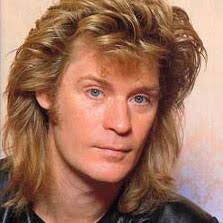
Daryl Hall circa 1988. (Image found online. Original source unknown.)
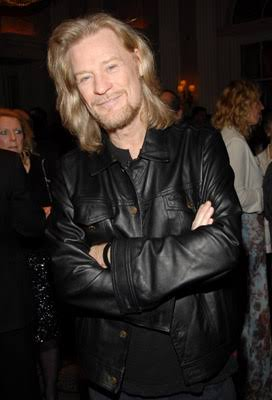
Daryl Hall circa 1999. (Image found online. Original source unknown.)
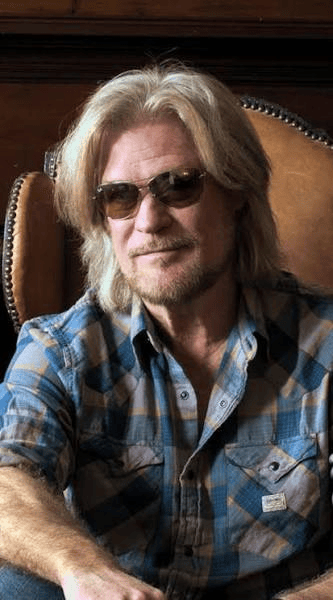
Hall circa 2021. (Image found online. Original source unknown.)
Another milestone birth anniversary is coming up next month, also for an illustrious guitarist. Duane Allman was born 80 years ago on November 20, 1946 in Nashville, Tennessee. He was raised by a single mother after his father was killed in an armed robbery in 1949. In 1957 his mother moved the family to Florida. But trips back to Nashville to see their grandmother helped foster younger brother Gregg’s growing musical interest and it was he who learned to play guitar first. Duane eventually followed and Gregg learned to play piano & started songwriting. They began performing together in 1961 and had a series of bands over the next several years that did not find any success.
In 1966 Duane did some session work at FAME Studios in Muscle Shoals, Alabama. Two years later he played there again, this time on Wilson Pickett’s cover of The Beatles’ song, “Hey Jude”. That brought Duane to the attention of Jerry Wexler at Atlantic Records who hired the guitarist as a full time session musician in Muscle Shoals for the label’s R&B artists. Duane played on songs by Aretha Franklin, Percy Sledge, Clarence Carter, Otis Rush and Boz Scaggs, amongst others.
By 1968 Duane was jamming with a number of musicians including his younger brother, Gregg, who would eventually form The Allman Brothers Band. In addition to being a founding member, Duane was also the original leader. Their self-titled debut album came out in November 1969 followed by Idlewild South a year later in September 1970. Around that time Duane was in the studio with a new friend-Eric Clapton. He & his new band, Derek & The Dominos, were recording their debut album, Layla and Other Assorted Love Songs. Duane contributed slide or lead guitar on 11 of the 14 tracks.
The ABB’s breakthrough record, At Fillmore East, was released 55 years ago in July 1971. Sadly it became the last album Duane recorded with the band (more about that here) because three months later he was killed in a motorcycle accident in Macon, Georgia (he does appear on two tracks from 1972’s Eat A Peach which were recorded before his death). More than five decades later, his status as one of the greatest guitar players in music history stands.
Howard Duane Allman: November 20, 1946 – October 29, 1971.
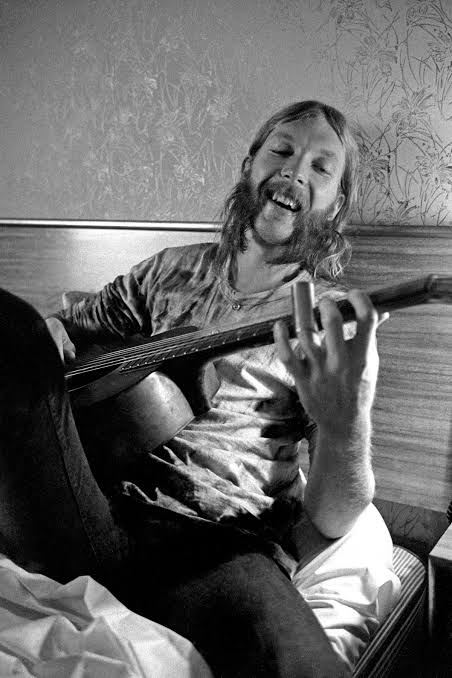
Duane Allman circa 1971. (Image found online. Original source unknown.)
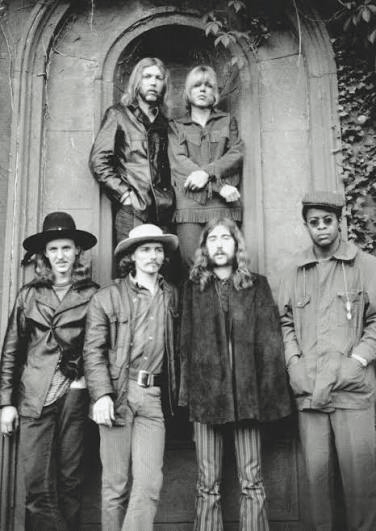
The Allman Brothers Band circa 1969 (L-R): Top: Duane Allman and Gregg Allman. Bottom: Butch Trucks, Dickey Betts, Berry Oakley and Jaimoe. (Image found online. Original source unknown.)
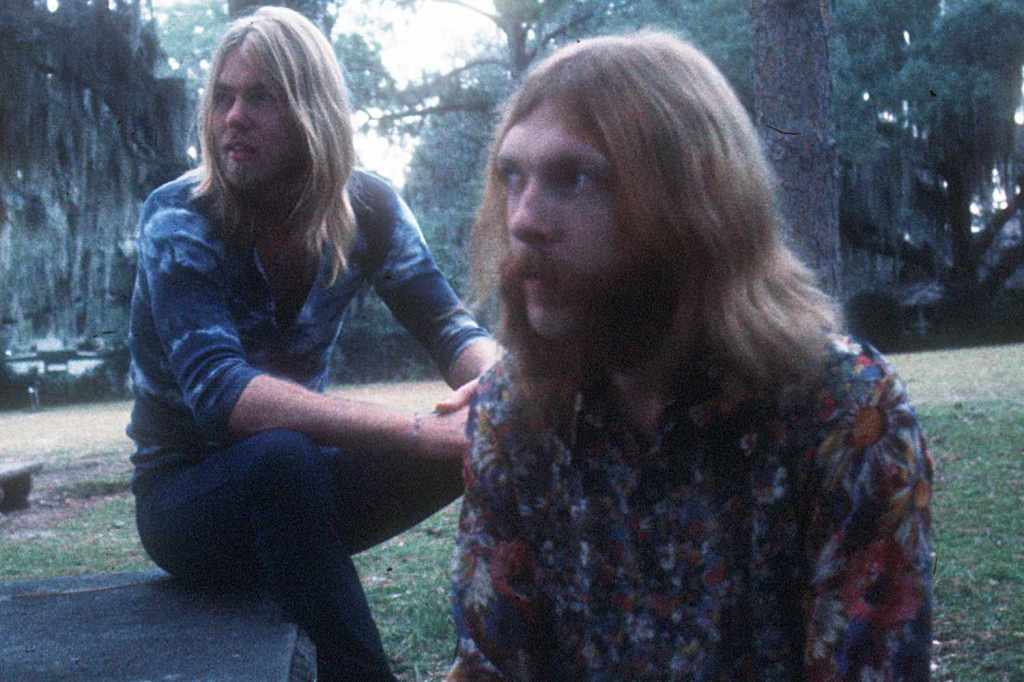
Gregg (L) and Duane (R) circa 1970. (Image found online. Original source unknown.)
Wilson Pickett: “634-5789” (1966, written by Steve Cropper and Eddie Floyd).
Eddie Floyd: “Knock On Wood” (1966, written by Steve Cropper and Eddie Floyd).
Otis Redding: “(Sittin’ on) The Dock Of The Bay” (1968, written by Steve Cropper and Otis Redding).
Booker T. & The MG’s: “Time Is Tight” (1969, written by Steve Cropper, Donald “Duck” Dunn, Alan Jackson Jr. and Booker T. Jones).
Hall & Oates: “Sara Smile” (1975, written by Daryl Hall and John Oates).
Hall & Oates: “Rich Girl” (1976, written by Daryl Hall).
Hall & Oates: “Everytime You Go Away” (1980, written by Daryl Hall).
Hall & Oates: “I Can’t Go for That (No Can Do)” (1981, written by Sara Allen, Daryl Hall and John Oates).
The Allman Brothers Band: “Trouble No More” (1969, written by Muddy Waters).
The Allman Brothers Band: “Whipping Post” (1969, written by Gregg Allman).
The Allman Brothers Band: “Midnight Rider” (1970, written by Gregg Allman and Robert Kim Payne).
The Allman Brothers Band: “Statesboro Blues” (Live At Fillmore East, March 13, 1971 – Second Show. Written by Blind Willie McTell).
Stay safe & well.

Hi, everyone. Welcome to this week’s edition of Music Monday.
(Image found online. Original source unknown.)
Yesterday marked the 100th birth anniversary of the Father Of Rock & Roll. Charles Edward Anderson Berry, professionally known as Chuck Berry, was born October 18, 1926 in St. Louis, Missouri. He showed an affinity for music early on and gave his first performance when he was still in school. After he finished a three year jail sentence for armed robbery in 1947, Berry got married a year later and settled into a domesticated existance.
But by 1953, music called his name again. An encounter with Muddy Waters led to a meeting with Leonard Chess, the founder of Chess Records. In 1955, Berry’s first single was released. A year later he released “Roll Over Beethoven”, in May 1956, marking this year as its 70th anniversary. And next year will mark the 70th anniversary of his debut album, After School Session, released in May 1957.
When Berry passed away in March 2017, I shared in a post that “when the Beatles came to America on February 7, 1964 and performed on “The Ed Sullivan Show” two days later, it changed the world. When the Beatles performed their first concert in the United States later that same year – in Washington, DC – their opening song was “Roll Over Beethoven” because Chuck Berry changed their world”.
On Day 45 I shared the timeline of how Berry’s contribution started rock & roll:
“If I had to pinpoint how rock & roll music officially began, my timeline would be this:
1908: The year American bandleader & swing/big band/R&B musician Louis Jordan is born.
1916: The year American rockabilly songwriter Claude Demetrius is born.
1926: The year American guitarist Charles Edward Anderson Berry is born. The world would come to know him as Chuck Berry. Soon he learns to “play a guitar just like a-ringin’ a bell and, oh my, that little country boy could play”.
1946: Demetrius writes a song (co-written with Jordan’s wife, Fleecie Moore) called “Ain’t That Just Like A Woman” which Jordan records and turns into an R&B hit the same year.
1958: Berry writes and records his semi-autobiographical groundbreaking hit, “Johnny B. Goode”. The song begins with a note for note replica of the introduction to Jordan’s 1946 song, written by Demetrius. A new sound is born from combining music from the swing/big band/R&B/rockabilly genres and Berry is christened “The Father of Rock & Roll”.
Young impressionable youths like John Lennon, Paul McCartney, George Harrison, Ringo Starr, Bob Dylan, Eric Clapton, Mick Jagger, Keith Richards, Jimi Hendrix and many others are entranced by what Berry does with a guitar. Fast forward to 1963 & 1964 where The Beatles record Berry covers “Roll Over Beethoven” & “Rock & Roll Music” and stop by America for that Sunday night show at the same theatre David Letterman was in and there you have it.
Yes, Elvis (who covered a few of Berry’s songs), Jerry Lee Lewis, Little Richard, Carl Perkins and many other early architects of this new sound were coming up around the same time as Berry. However, his musicianship, his stage dance moves (most notably the “duck walk”) and his songwriting talent made him a triple threat and set him apart from the others. Elvis will always be the King, but Berry was and remains The Master.
“Johnny B. Goode” also has the distinction of being part of NASA’s Voyager Space Mission as one of the pieces of music from Earth. And honestly, can you imagine Marty McFly sliding across the floor to any other song in “Back To The Future”?”
Charles Edward Anderson Berry: October 18, 1926 – March 18, 2017.
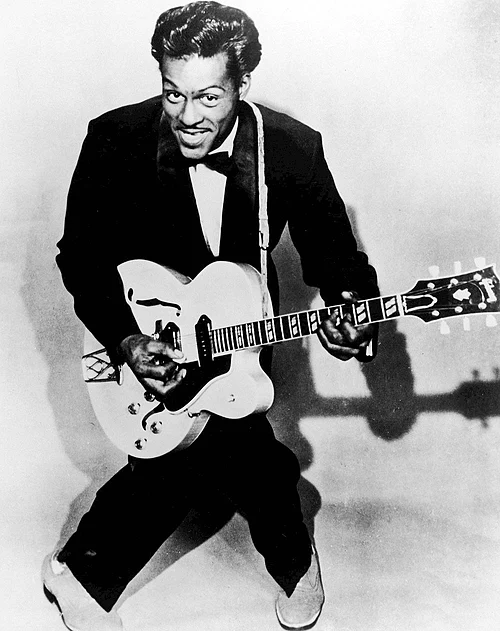
Chuck Berry circa 1957. (Image found online. Original source unknown.)
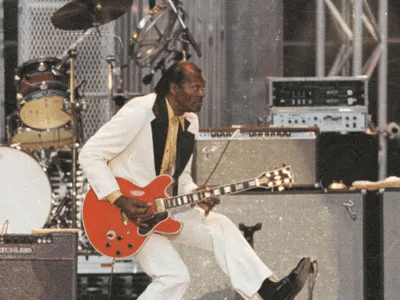
Berry at the Rock & Roll Hall Of Fame concert in Cleveland, Ohio in September 1995. (Image found online. Original source unknown.)
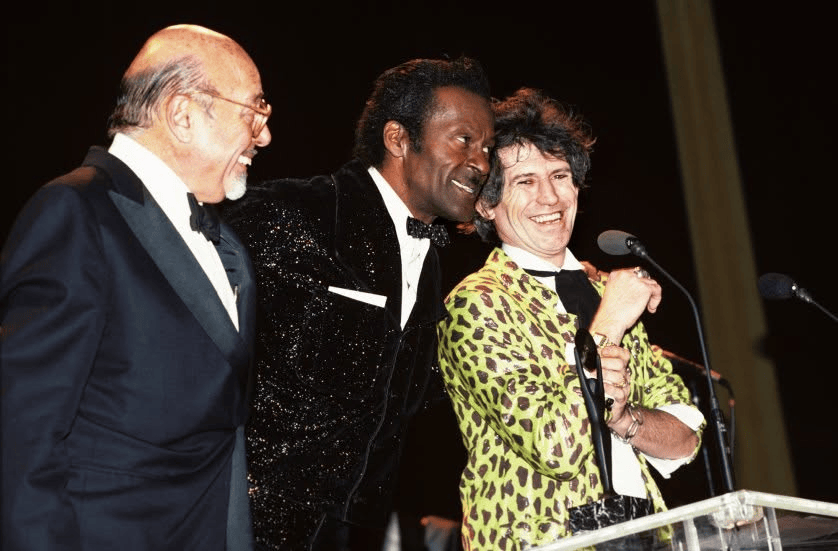
Berry (center) at his Rock & Roll Hall Of Fame ceromony in NewYork City in 1986 with Ahmet Ertegun (L), co-founder of Atlantic Records and Keith Richards (R) of The Rolling Stones. Photo from Chuck Berry’s Facebook page. (Image found online. Original source unknown.)
Chuck Berry: “Maybellene” (1955, written by Chuck Berry).
Chuck Berry: “Roll Over Beethoven” (1956, written by Chuck Berry).
Chuck Berry: “Rock & Roll Music” (1957, written by Chuck Berry).
Chuck Berry: “Johnny B. Goode” (1958, written by Chuck Berry).
Chuck Berry: “Back in the USA” (1959, written by Chuck Berry).
Chuck Berry: “No Particular Place to Go” (1964, written by Chuck Berry).
Chuck Berry: “You Never Can Tell” (1964, written by Chuck Berry).
Stay safe & well.

Hi, everyone. Welcome to this week’s edition of Music Monday.
(Image found online. Original source unknown.)
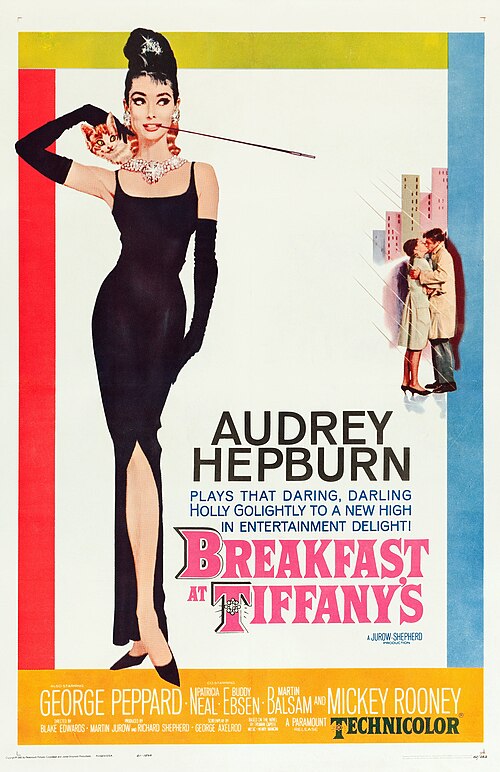
“Breakfast At Tiffany’s” was released 65 years ago on October 6, 1961. As much as I loved watching the happenings in the life of Miss Holly Golightly and her fabulous wardrobe, I absolutely swooned over the film’s theme song, whether it was the version sung onscreen by Audrey Hepburn or the Henry Mancini score version playing randomly throughout the film. Over the years it has been covered by some of my favorite musical artists from Jerry Butler (1961) to Frank Sinatra (1964) to Rod Stewart (2010) to a collaboration between guitar masters Eric Clapton and Jeff Beck (2023). Classic songs, like classic movies, are always in style.
(Image found online. Original source unknown.)
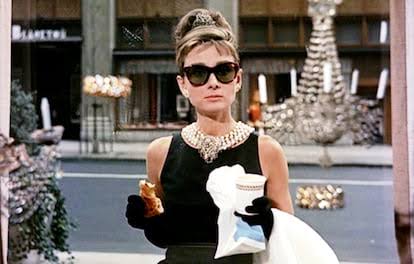
Audrey Hepburn as Holly Golightly. (Image found online. Original source unknown.)
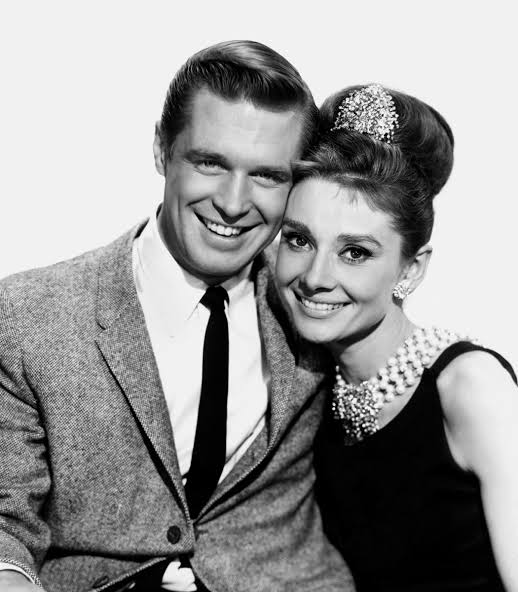
George Peppard (L) and Hepburn (R). (Image found online. Original source unknown.)
Don McLean released his second album, American Pie, 55 years ago in October 1971. The first single-the title track-was released a month later. It became an anthem for many including the generation still mourning the loss of three musical artists-Buddy Holly, Jiles Perry “J.P.” Richardson (a/k/a The Big Bopper) and Ritchie Valens, who died in a plane crash on February 3, 1959-which the song taglined as “the day the music died”. The track became a huge hit, reaching #1 on January 15, 1972 & staying in that spot for four consecutive weeks. The track has become iconic for its imagery, subject matter & length, with the album version clocking in at 8:33.
The album’s second single, released in February 1972, was inspired by artist Vincent Van Gogh, even referencing the name of one of his most famous paintings-The Starry Night-in the opening lyric (“Starry starry night, Paint your palette blue and grey”). One of his quotes always comes to mind this time of year: “As long as autumn lasts, I shall not have hands, canvas and colors enough to paint the beautiful things I see.”
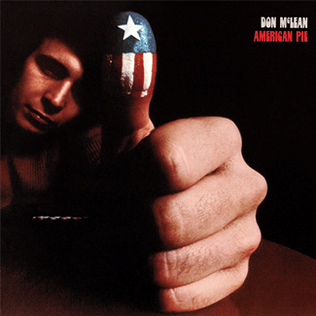
(Image found online. Original source unknown.)
Burton Cummings released his debut self-titled solo album 50 years ago in October 1976. The first single became a Top Ten hit in early 1977. This came on the heels of his decade long tenure as the lead singer of The Guess Who from 1965-1975. He was born December 31, 1947 in Winnipeg, Manitoba, Canada. He never finished high school because he wanted to pursue a career in music. By the end of 1965 he joined Chad Allan & the Expressions which eventually became The Guess Who. Cummings became the lead singer and the primary songwriter along with guitarist Randy Bachman.
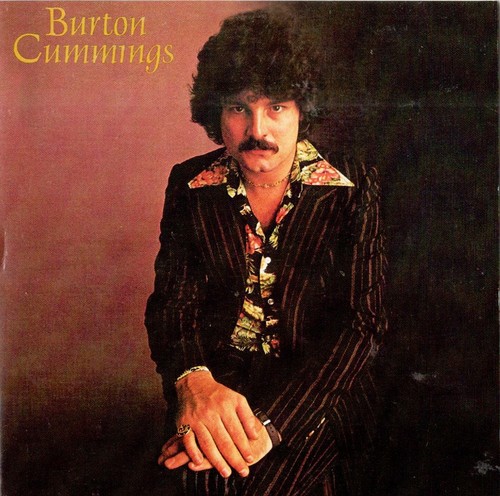
(Image found online. Original source unknown.)
The comedy “Amen” premiered 40 years ago on September 27, 1986 and ran for five seasons until May 1991. It starred Sherman Hemsley as Deacon (and miserly attorney) Ernest Frye, Anna Maria Horsford as his daughter, Thelma and Clifton Davis as the church’s newest member, Reverend Reuben Gregory, who instantly became the object of Thelma’s affection.
The series was created and produced by Emmy award winner Ed. Weinberger who was one of the original players at MTM Productions (the group that brought us “The Mary Tyler Moore Show” amongst others). He also co-created the series “Taxi”, “The Cosby Show”, “Dear John” and many others.
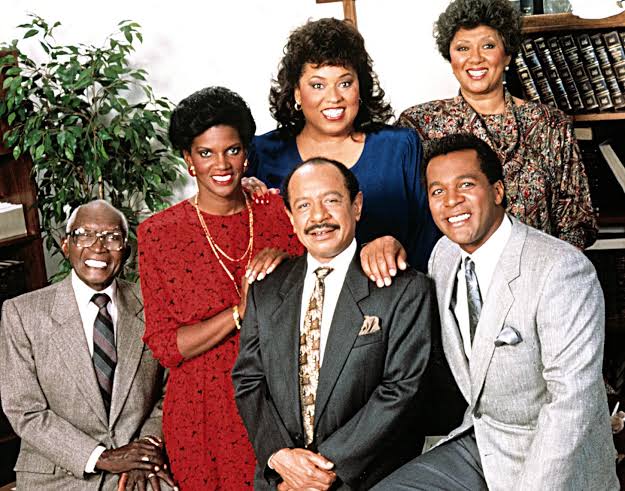
The cast of “Amen” (L-R): Jester Hairston, Anna Maria Horsford, Roz Ryan, Barbara Montgomery, Sherman Hemsley and Clifton Davis. (Image found online. Original source unknown.)
Audrey Hepburn: “Moon River” (1961, written by Henry Mancini and Johnny Mercer).
Henry Mancini & His Orchestra: “Moon River” (1961, written by Henry Mancini and Johnny Mercer).
Elton John: “Moon River” (2003, recorded live in France. Written by Henry Mancini and Johnny Mercer).
Don McLean: “American Pie” (1971, written by Don McLean).
Don McLean: “Vincent” (1971, written by Don McLean).
Don McLean: “Crossroads” (1971, written by Don McLean).
Burton Cummings: “Stand Tall” (1976, written by Burton Cummings).
Vanessa Bell Armstrong: “Shine On Me” (used as the theme song for thr TV series, “Amen”. 1986, written by Andraé Crouch).
Stay safe & well.

Hi, everyone. Welcome to this week’s edition of Music Monday.
(Image found online. Original source unknown.)
In 1965 the band, The Left Banke, formed in New York City. They were classified as “baroque pop” because their sound was a fusion of pop/rock music and classical music elements. At the time, the charts were being ruled by the British Invasion so a new sound like baroque pop was powerful enough to break through. A year later in 1966, The Left Banke released the two songs that would define their career and the genre. The first one-released 60 years ago in July 1966-peaked at #5 and the second reached the Top 20. Both feature Steve Martin Caro on lead vocal and were primarily written by the band’s keyboard player, Michael Brown. The band had basically broken up by the time their first single became a hit, but 60 years later both songs are still considered the epitome of the baroque pop category.
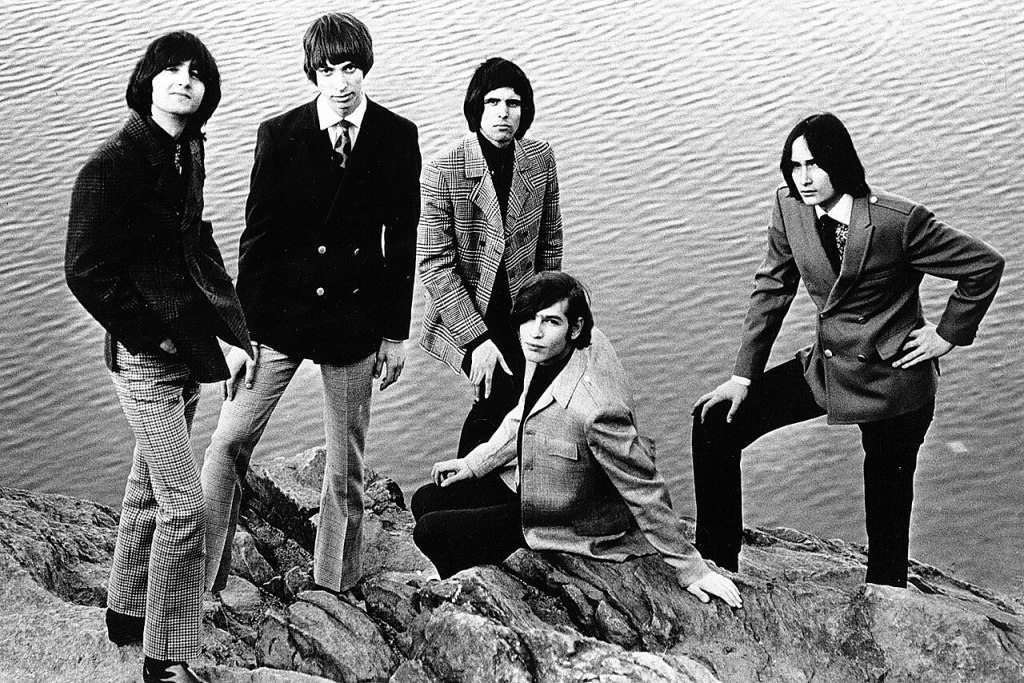
The Left Banke in 1966 (L–R): Steve Martin Caro, Michael Brown, George Cameron, Jeff Winfield and Tom Finn. (Image found online. Original source unknown.)
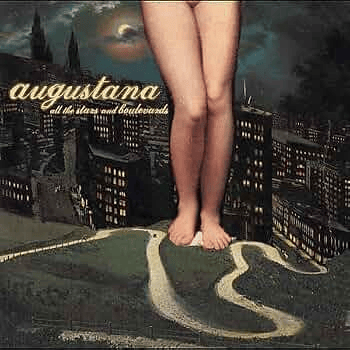
Twenty years ago in January 2006 Augustana released the second single from their debut album, All the Stars and Boulevards. The title track was the first single, released in October 2005, one month after the album’s release on September 6, 2005.
I wish I could remember when I first heard this band, but I cannot seem to pinpoint it. I believe it was probably on a road trip once I lost my local stations and had to start searching for new ones to listen to. That has always been one of my favorite parts of being on the road. But I do remember that I was completely enthralled by their sound, the depth of their storytelling and the unique melodies of their songs. And the pensive sound of Daniel Layus’ vocals are both incredibly soothing and evocative all at once.
(Image found online. Original source unknown.)
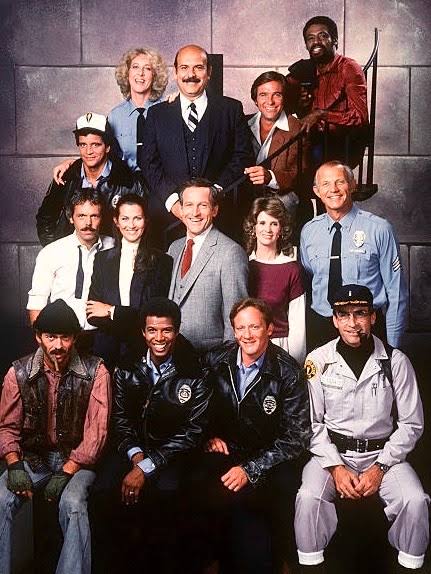
In 1981 Steven Bochco created ground breaking television with the premiere of “Hill Street Blues” on January 15, 1981. And 45 years later, it is still considered one of the best series ever made. It ran for seven seasons and featured what would become hallmarks of Bochco shows including a large ensemble cast, quirky eccentric humor, multiple storylines which often overlapped including social issues which were front and center in everyday life at the time. It was gritty, real, true to life and really showed the commitment the men & women behind the badge make every single day. I fell in love with it from the very first episode & it remains one of my favorite series of all times.
The show also featured a memorable theme song written by composer Mike Post. He went on to write the themes for Bocho’s other shows including “L.A. Law” (which premiered 40 years ago on September 15, 1986), “Doogie Howser, M.D.” in 1989 (starring HSB alumnus James B. Sikking as Doogie’s dad), “NYPD Blue” in 1993 (starring Jimmy Smits from “L.A. Law”). And in the I-cannot-believe-I-did-not-know-this-before category, I just discovered that Post co-wrote (along with Pete Carpenter) one of the best TV show themes in creation for James Garner’s 1970’s show, “The Rockford Files”.
I will never forgive Bochco for letting Jimmy Smits’ character die on “NYPD Blue”, but there is no discounting the contribution Bochco made to television history.
(Image found online. Original source unknown.)
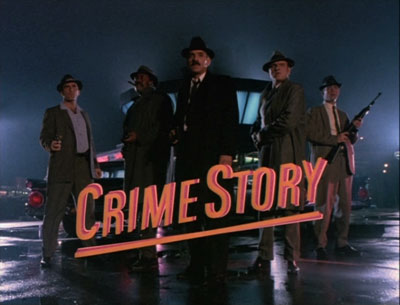
Another show I absolutely loved premiered 40 years ago on September 18, 1986. “Crime Story”-created by Chuck Adamson and Gustave Reininger and executive produced by Michael Mann-was set in Chicago in the early 1960’s. It may have only lasted for two seasons but it started the careers of Dennis Farina (who was a former Chicago police officer who was a consultant for Mann on earlier projects), Anthony Dennison and Ted Levine (the creepy kidnapper in “The Silence Of The Lambs” and as Leland Stottlemeyer in “Monk”).
The song chosen for the theme song was a #1 hit for four consecutive weeks 65 years ago in the spring of 1961. It was re-recorded in 1986 specifically for the new series and featured the song’s singer & co-writer-Del Shannon-performing the track in the pilot episode at a nightclub. Respect.
(Image found online. Original source unknown.)
The Left Banke: “Walk Away Renée” (1966, written by Michael Brown, Bob Calilli and Tony Sansone).
The Left Banke: “Pretty Ballerina” (1966, written by Michael Brown).
Augustana: “Stars and Boulevards” (2005, written by Augustana: Daniel Layus, Jared Palomar, Josiah Rosen and Justin South).
Augustana: “Boston” (2005, written by Augustana: Daniel Layus, Jared Palomar, Josiah Rosen and Justin South).
Mike Post: “The Rockford Files Theme” (1974, written by Pete Carpenter and Mike Post).
Mike Post: “Hill Street Blues Theme” (1981, written by Mike Post).
Del Shannon: “Runaway” (1986, written by Max Crook and Del Shannon).
Stay safe & well.

“The bus roared on. I was going home in October. Everybody goes home in October”.
-Jack Kerouac, “On The Road”, 1957.

(Image found online. Original source unknown.)
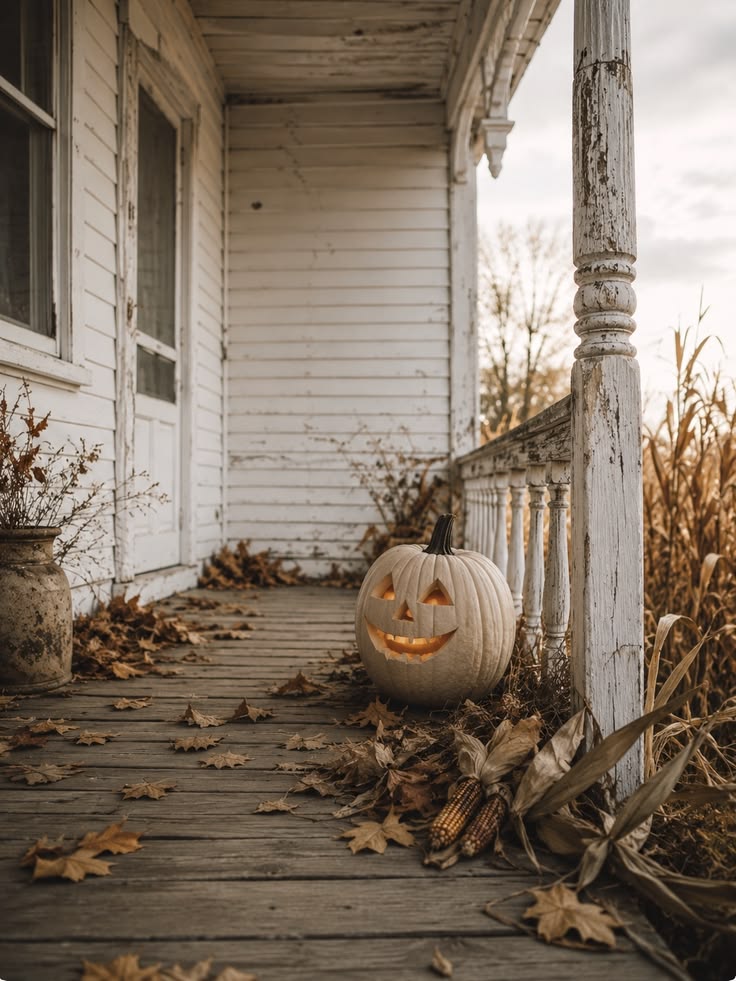
(Image found online. Original source unknown.)
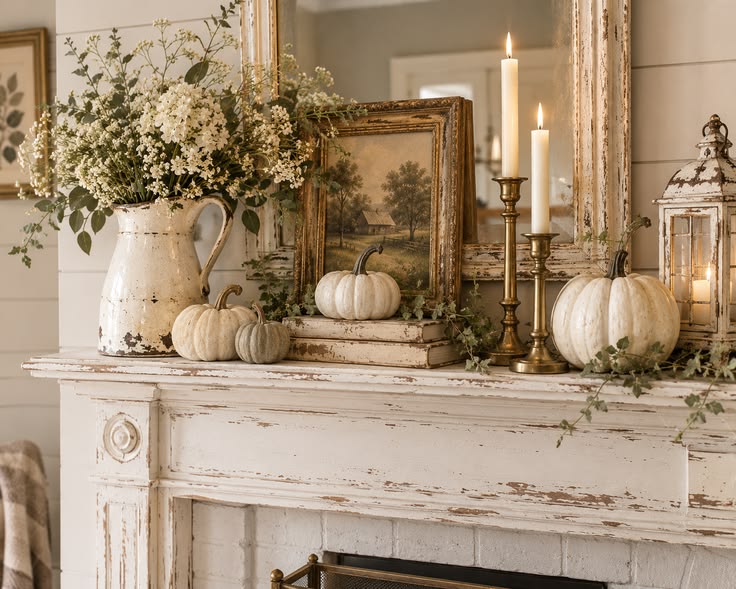
(Image found online. Original source unknown.)
Nat King Cole: “‘Tis Autumn” (1949, from King Cole Trio, Volume 4, written by Henry Nemo).
Stay safe & well.


