Music Monday: November 9, 2026

Hi, everyone. Welcome to this week’s edition of Music Monday.
(Image found online. Original source unknown.)

Paul Simon celebrated birthday #85 last month. He was born October 13, 1941 in Newark, New Jersey and raised in Queens, New York when his family moved there four years later. He met his future duo partner-Art Garfunkel-when they were both 11. Two years later, they started singing together. By 1957, they had recorded together under the moniker, Tom & Jerry. By 1964, they were signed to Columbia Records by Clive Davis who officially named them Simon & Garfunkel.

After their debut album failed to sell, Simon moved to London where he released his solo debut album in August 1965, The Paul Simon Songbook. He also met a young American singer/songwriter named Jackson C. Frank & produced his only album, released in December 1965. Simon’s self-titled sophmore album was not released until January 1972. In between those records, his partnership with Art Garfunkel produced four albums following their 1964 debut record.

The duo also contributed four songs to the 1967 film, “The Graduate”: “The Sound of Silence”, “Scarborough Fair”, “April Come She Will” and “Mrs. Robinson”. Growing up in a Yankee family, I could not help but feel seen thanks to the lines “Where have you gone, Joe DiMaggio? Our nation turns its lonely eyes to you” from “Mrs. Robinson” (It won the Grammy for Record Of The Year in 1969. It was also nominated for Song Of The Year as well).

In 2025 Simon was one of the many guests to appear in the 50th anniversary show for “Saturday Night Live”. He has been a frequent host & musical guest on the long running skit program since it started-24 appearances at last count-hosting the second show 51 years ago in October 1975. He met his third wife-singer Edie Brickell-when she appeared on the show with her band, The New Bohemians, in November 1988. She & Simon were married in 1992 and share 3 children. And 40 years ago, when he released his seventh solo album Graceland in August 1986, he recruited his SNL buddy, Chevy Chase, to join him in the video for the lead single.
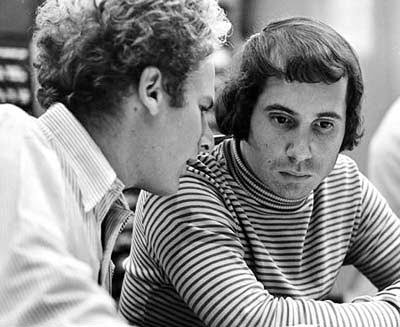
Art Garfunkel (L) and Paul Simon (R) circa 1968. (Image found online. Original source unknown.)
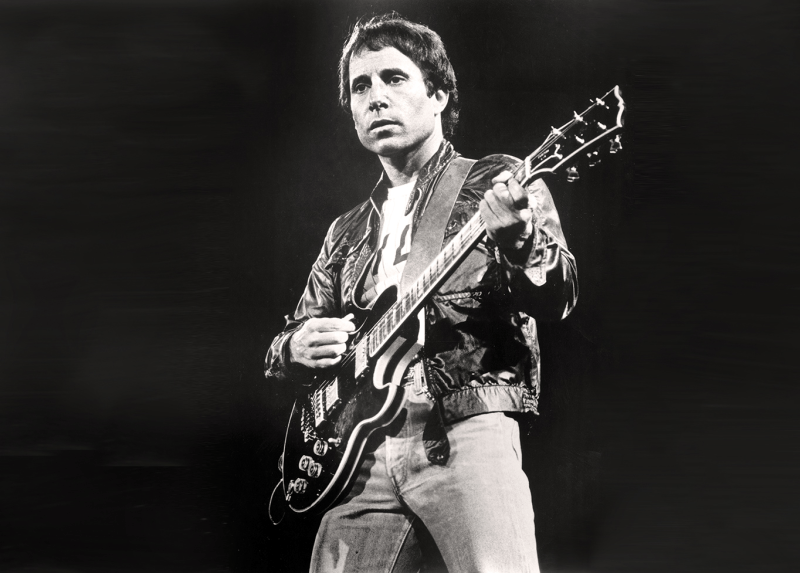
Simon circa 1979. (Image found online.  Original source unknown.)
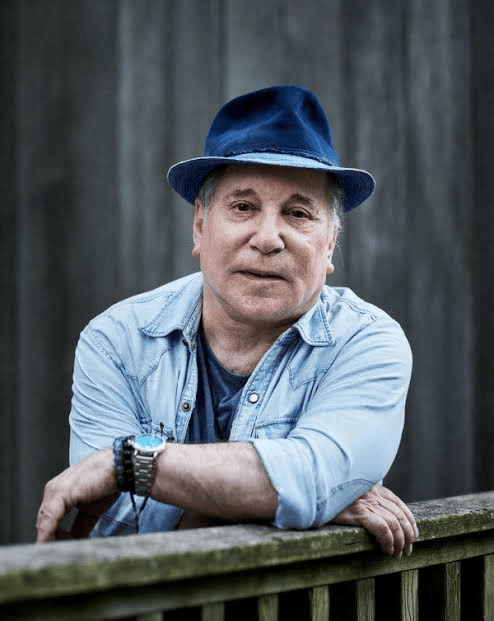
Simon circa 2010. (Image found online. Original source unknown.)

Another artist who turned 80 this year is also part of a duo. Richard Lynn Carpenter was born October 15, 1946 in New Haven, Connecticut. His family moved to Downey, California in 1963 to help him pursue a career in music. Two years later, he formed The Richard Carpenter Trio along with his sister, Karen. By 1969-when they were officially known as The Carpenters-they were signed to A&M Records and released their debut album, Ticket to Ride. A year later they released the one that proved to be their breakthrough record, Close To You. That was followed by album #3, their self-titled one, released 55 years ago in May 1971.

The duo had an incredible wave of success thanks to Karen’s incredibly beautiful voice and Richard’s talents as a pianist, keyboardist, harmony vocalist, arranger, producer and songwriter. I wish their story had a better ending than her untimely death on February 4, 1983 at age 32. But their story is part of ours because of Richard’s driving force behind their music.
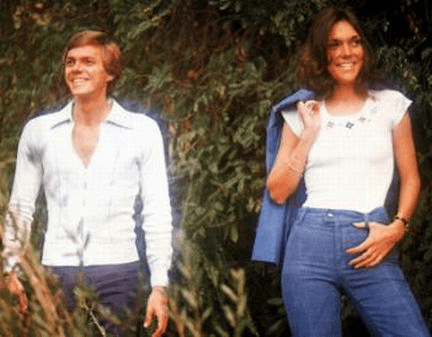
Richard (L) and Karen Carpenter (R) circa 1971. (Image found online. Original source unknown.)

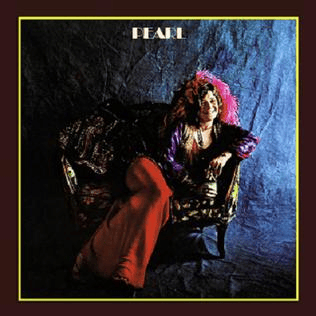
Janis Joplin’s posthumous album Pearl was released 55 years ago in January 1971, just three months after her death in October 1970. It produced the biggest hit of her career, a song written by Kris Kristofferson, which was #1 for two consecutive weeks in March 1971.
(Image found online. Original source unknown.)

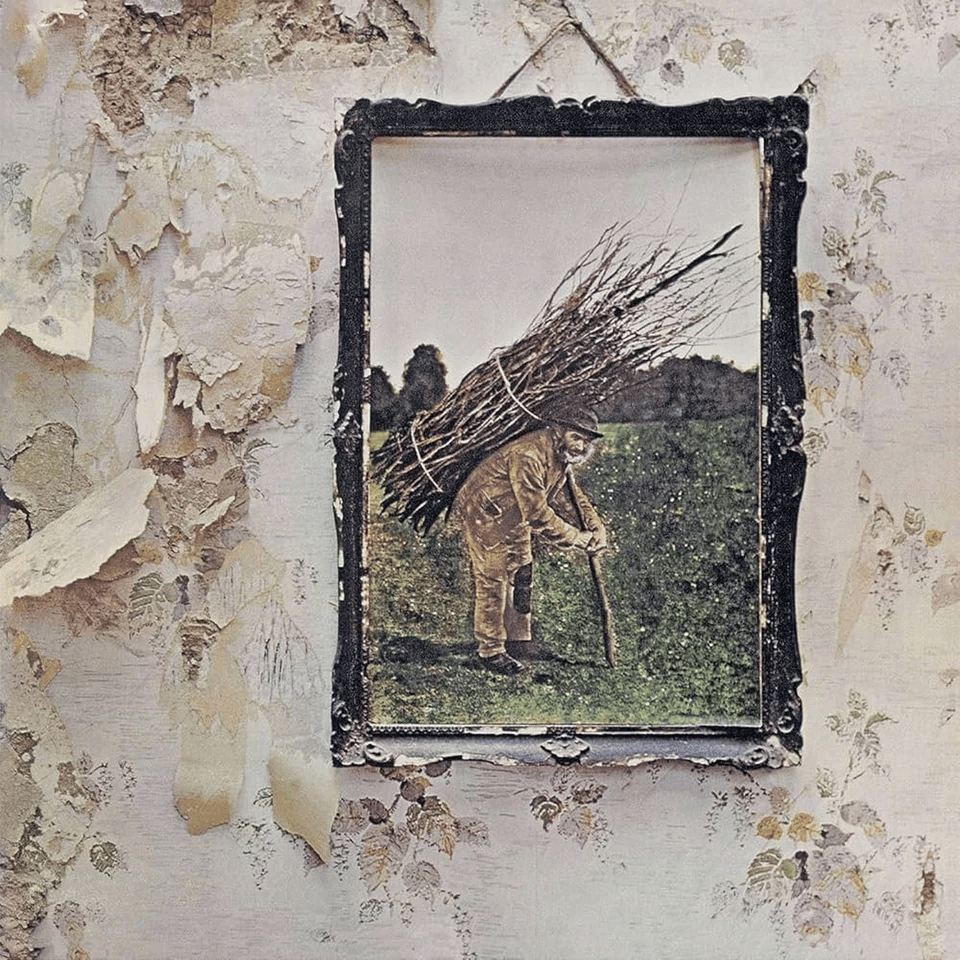
Led Zeppelin IV was released 55 years ago on November 8, 1971. This was the album that introduced their signature tune, a mystical ode to “all that glitters is gold”, an epic eight minute anthem that stands as one of the greatest rock songs of all time.
(Image found online. Original source unknown.)

Bob Seger started performing in bands in Detroit 65 years ago begining in 1961. By 1969, he was recording as The Bob Seger System and they released three albums from 1969-1970. His first solo record-Brand New Morning-debuted 55 years ago in October 1971. His 1975 album-Beautiful Loser-received some moderate airplay thanks to the title track & another song, “Katmandu”.

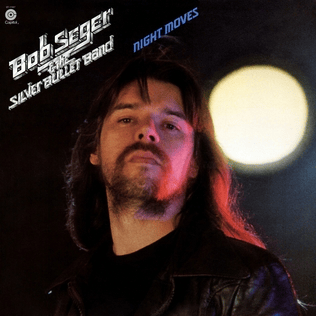
But it was Seger’s next studio album-his ninth-that brought him commercial success. Night Moves was released 50 years ago on October 22, 1976 and produced three singles: The title track, “Main Street” and “Rock and Roll Never Forgets”. A decade later, he was a musical superstar and spent that year promoting his 13th studio album-Like A Rock-released 40 years ago in March 1986.
(Image found online. Original source unknown.)
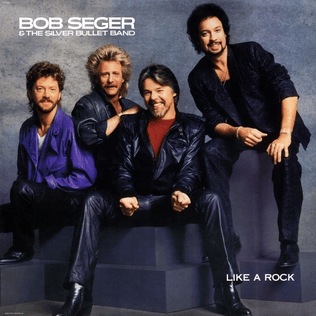
(Image found online. Original source unknown.)

Paul Simon: “Mother and Child Reunion” (1972, written by Paul Simon).

Paul Simon: “50 Ways To Leave Your Lover” (1975, written by Paul Simon).

Paul Simon: “You Can Call Me Al” (1986, written by Paul Simon).

The Carpenters: “(They Long to Be) Close to You” (1970, written by Burt Bacharach and Hal David).

The Carpenters: “Rainy Days And Mondays” (1971, written by Roger Nichols and Paul Williams).

The Carpenters: “Superstar” (1971, written by Bonnie Bramlett and Leon Russell).

Janis Joplin: “Me and Bobby McGee” (1971, written by Fred Foster and Kris Kristofferson).

Led Zeppelin: “Stairway to Heaven” (1971, written by Jimmy Page and Robert Plant).

Bob Seger: “Night Moves” (1976, written by Bob Seger).

Bob Seger: “Like A Rock” (1986, written by Bob Seger).

Stay safe & well.

Music Monday: October 26, 2026

Hi, everyone. Welcome to this week’s edition of Music Monday.

(Image found online.  Original source unknown.)

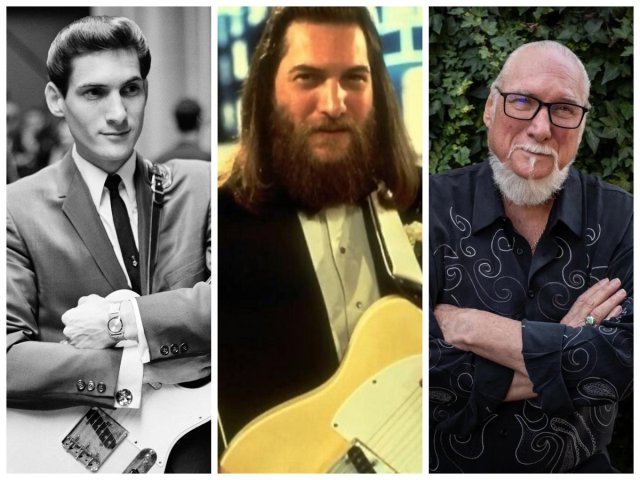
Legendary guitarist, songwriter & record producer Steve Cropper was born 85 years ago on October 21, 1941 in Dora, Missouri. When he was 9 years old his family moved to Memphis, Tennessee where the gospel music he heard left an indelible mark on him. By age 14 he received his first guitar. The first group he co-founded-The Royal Spades-eventually became known as The Mar-Keys. They started playing sessions at Satellite Records which was founded 69 years ago in October 1957 and renamed Stax Records three years later by combining the founders last names-ST for Jim Stewart and AX for his older sister, Estelle Axton.

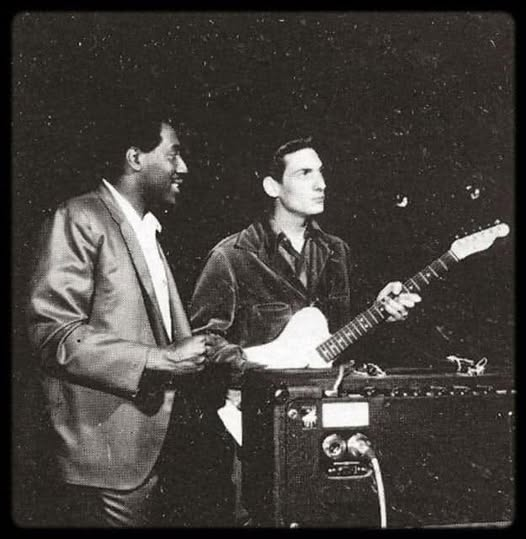
Cropper became a strong pillar for the label, working as an A&R man, a co-founder of the house band, Booker T & The MG’s, a record producer and a songwriter. He co-wrote several songs with soul master Otis Redding (who’s own 85th birth anniversary was celebrated here in September) including his posthumous #1 song which Cropper was left to finish after Redding’s death in December 1967. Cropper also co-wrote many other high profile hit songs with Wilson Pickett and two with singer Eddie Floyd which were released 60 years ago in 1966.

When Cropper died last December at age 84, it not only hurt my heart but it ended one of my favorite chapters in all of music history. But what a life & legacy he left us with. Thank you, Crop, for everything.

Stephen Lee Cropper: October 21, 1941– December 3, 2025.

Steve Cropper through the decades (L-R) from the 1960’s, the 1970’s and the 2010’s. (Image found online. Original source unknown.)

Otis Redding (L) and Cropper (R) circa 1967. (Image found online. Original source unknown.)

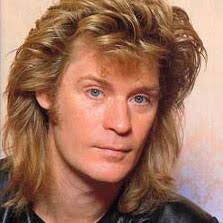
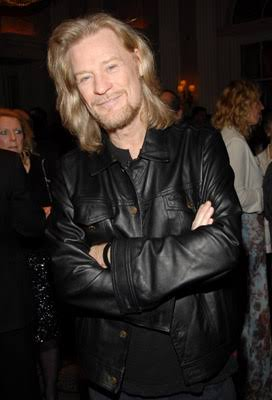
Daryl Hall celebrated a milestone birthday this month and it made every bone in my body feel its age. He was born Daryl Franklin Hohl 80 years ago on October 11, 1946 in Pottstown, Pennsylvania. He majored in music at Temple University in Philadelphia which is the city he met musician John Oates in 1967. They were both in different musical groups but by 1970 they formed what would become their iconic partnership-Hall & Oates-and landed a record deal with Atlantic Records courtesy of label co-founder & president, Ahmet Ertegun. Together the duo had 16 Top Ten hits including six #1 songs and became one of the most successful musical acts of all time.

Their breakthrough year was 50 years ago in 1976. “Sara Smile” was released as a single that January. By June of that year, it peaked at #4. “She’s Gone”-which originally appeared on 1973’s Abandoned Luncheonette-was re-released as a single in July 1976 & peaked at #7 on October 30, 1976. Their fifth studio album, Bigger Than Both of Us, was released in August 1976. It produced their first #1 record, “Rich Girl”, which hit the top spot for two consecutive weeks in March 1977.

In 2007 Hall launched the web series, “Live from Daryl’s House”from his home in Millerton, New York. In 2014 he opened “Daryl’s House Restaurant & Live Music Club” in Pawling, New York which became the permanent venue for the show save for the episodes that were filmed on location. Hall’s other passion-restoring old homes-led to his on show on the DIY network, “Daryl’s Restoration Over-Hall”. I have loved his blue-eyed soul voice ever since “Sara Smile” and after five decades, both his voice and that song still makes me swoon.

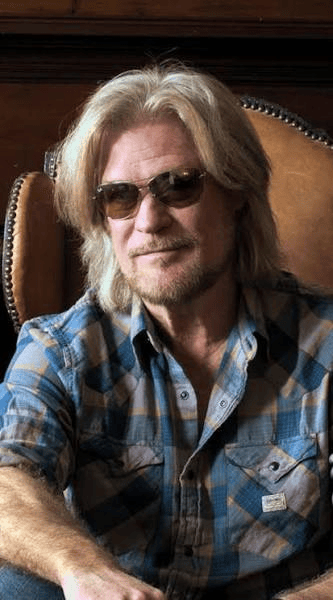
Daryl Hall circa 1988. (Image found online.  Original source unknown.)

Daryl Hall circa 1999. (Image found online. Original source unknown.)

Hall circa 2021. (Image found online.  Original source unknown.)

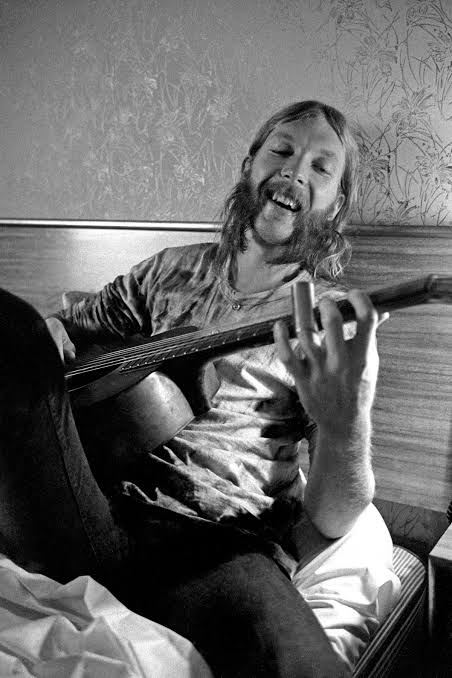
Another milestone birth anniversary is coming up next month, also for an illustrious guitarist. Duane Allman was born 80 years ago on November 20, 1946 in Nashville, Tennessee. He was raised by a single mother after his father was killed in an armed robbery in 1949. In 1957 his mother moved the family to Florida. But trips back to Nashville to see their grandmother helped foster younger brother Gregg’s growing musical interest and it was he who learned to play guitar first. Duane eventually followed and Gregg learned to play piano & started songwriting. They began performing together in 1961 and had a series of bands over the next several years that did not find any success.

In 1966 Duane did some session work at FAME Studios in Muscle Shoals, Alabama. Two years later he played there again, this time on Wilson Pickett’s cover of The Beatles’ song, “Hey Jude”. That brought Duane to the attention of Jerry Wexler at Atlantic Records who hired the guitarist as a full time session musician in Muscle Shoals for the label’s R&B artists. Duane played on songs by Aretha Franklin, Percy Sledge, Clarence Carter, Otis Rush and Boz Scaggs, amongst others.

By 1968 Duane was jamming with a number of musicians including his younger brother, Gregg, who would eventually form The Allman Brothers Band. In addition to being a founding member, Duane was also the original leader. Their self-titled debut album came out in November 1969 followed by Idlewild South a year later in September 1970. Around that time Duane was in the studio with a new friend-Eric Clapton. He & his new band, Derek & The Dominos, were recording their debut album, Layla and Other Assorted Love Songs. Duane contributed slide or lead guitar on 11 of the 14 tracks.

The ABB’s breakthrough record, At Fillmore East, was released 55 years ago in July 1971. Sadly it became the last album Duane recorded with the band (more about that here) because three months later he was killed in a motorcycle accident in Macon, Georgia (he does appear on two tracks from 1972’s Eat A Peach which were recorded before his death). More than five decades later, his status as one of the greatest guitar players in music history stands.

Howard Duane Allman: November 20, 1946 – October 29, 1971.

Duane Allman circa 1971. (Image found online.  Original source unknown.)

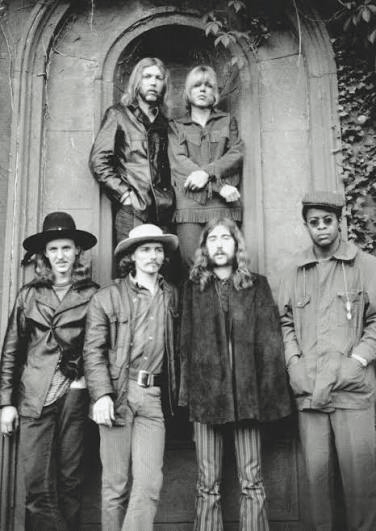
The Allman Brothers Band circa 1969 (L-R): Top: Duane Allman and Gregg Allman. Bottom: Butch Trucks, Dickey Betts, Berry Oakley and Jaimoe. (Image found online.  Original source unknown.)

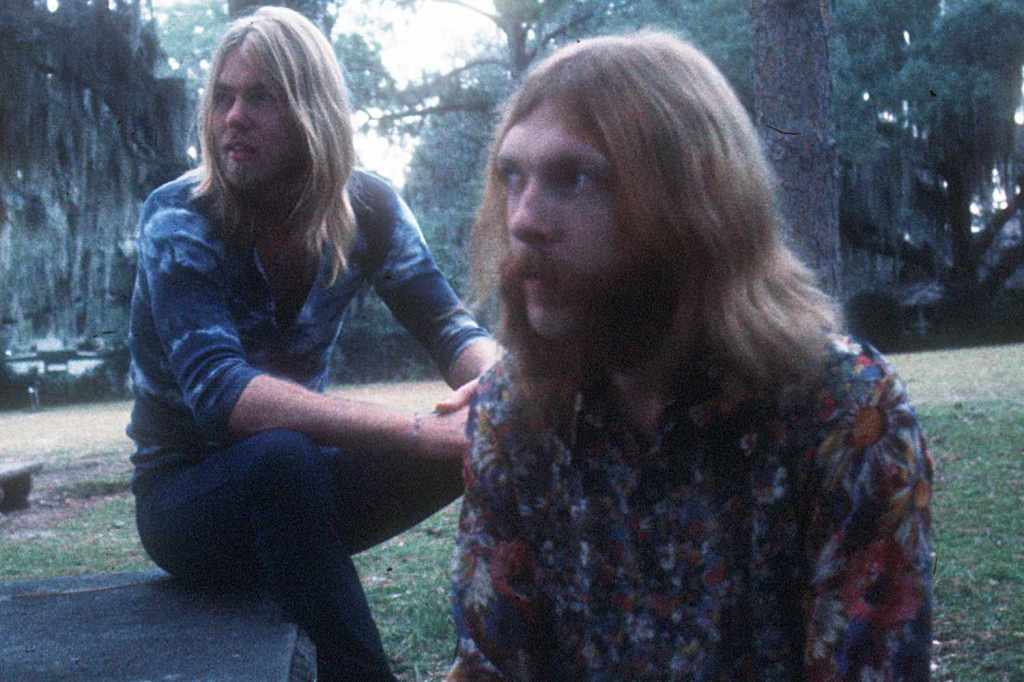
Gregg (L) and Duane (R) circa 1970. (Image found online.  Original source unknown.)

Wilson Pickett: “634-5789” (1966, written by Steve Cropper and Eddie Floyd).

Eddie Floyd: “Knock On Wood” (1966, written by Steve Cropper and Eddie Floyd).

Otis Redding: “(Sittin’ on) The Dock Of The Bay” (1968, written by Steve Cropper and Otis Redding).

Booker T. & The MG’s: “Time Is Tight” (1969, written by Steve Cropper, Donald “Duck” Dunn, Alan Jackson Jr. and Booker T. Jones).

Hall & Oates: “Sara Smile” (1975, written by Daryl Hall and John Oates).

Hall & Oates: “Rich Girl” (1976, written by Daryl Hall).

Hall & Oates: “Everytime You Go Away” (1980, written by Daryl Hall).

Hall & Oates: “I Can’t Go for That (No Can Do)” (1981, written by Sara Allen, Daryl Hall and John Oates).

The Allman Brothers Band: “Trouble No More” (1969, written by Muddy Waters).

The Allman Brothers Band: “Whipping Post” (1969, written by Gregg Allman).

The Allman Brothers Band: “Midnight Rider” (1970, written by Gregg Allman and Robert Kim Payne).

The Allman Brothers Band: “Statesboro Blues” (Live At Fillmore East, March 13, 1971 – Second Show. Written by Blind Willie McTell).

Stay safe & well.

Let’s Take A Moment Day 525

Hi everyone.  Hope you are all well and continue to stay that way during this global health crisis we are facing.  But in addition to protecting your physical wellness, what are you doing to stay mentally healthy today?

Aug 2021 blog

(Image found online.  Original source unknown.)

I know we are still facing a serious situation but a new year gives us hope for the new days, seasons, opportunities & moments ahead. Still, music is something that will never change for me. It is my refuge, the most comforting part of my life & the one thing I consistently count on. So until a more normal semblance of life returns, I am going to share a song I listen to that helps me escape the current state of things, if only for a few minutes each day. And if this helps anyone else, even better.

This weekend we lost a pioneer in two musical genres. Isaac Donald “Don” Everly died August 21 at the age of 84. Born February 1, 1937 in Kentucky he and his younger brother, Phil (January 19, 1939 – January 3, 2014), were a trailblazing duo in both country music & the birth of the rock & roll era who used harmonizing vocals to create their signature sound. Don sang lead and Phil provided the harmony.

The two men started singing with their parents on their father’s radio show on KMA in Iowa in the 1940’s as The Everly Family. They moved to TN in the early 1950’s where the brothers pursued music full time once Don graduated from high school in 1955. They were soon discovered by guitarist Chet Atkins who helped introduce them to Acuff Rose publishers & the songwriting team of Boudleaux Bryant.

They wrote the brothers’ first hits in 1957, “Bye Bye Love” (a cross over hit on both the country & rock & roll charts) & “Wake Up Little Susie”. The duo was also the first to record the Boudleaux Bryant song “Love Hurts” in 1960 before it became a hit for Roy Orbison a year later. The boys did write some of their own songs including “Cathy’s Clown” (1960, written by Don) & “When Will I be Loved” (1960, written by Phil).

The brothers success led to their 1960 contract with Warner Brothers Records for one million dollars. At that time it was an unprecedented amount of money for a rock & roll act and would keep the boys with the label for ten years. But the unrelenting work schedule took its toll on the duo. So did contract disputes, sibling rivalry, drug use and more which led their official break up in 1973. They did reunite a decade later but their relationship remained strained.

Some of the biggest names in music were fans of The Everly Brothers. In his 1976 Wings song “Let ‘Em In”, Paul McCartney mentioned the duo by their first names (“…Martin Luther, Phil and Don”). George Harrison recorded a demo of today’s song that was included on his 2012 posthumous album, Early Takes: Volume. His friend & Traveling Wilbury bandmate Bob Dylan covered today’s song for his 1970 album, Self-Portrait. Both Everly Brothers sang on the track “Graceland” by another of their admirers, Paul Simon. In 1986 they were a part of the inaugural class inducted into The Rock & Roll Hall Of Fame by Neil Young.

Today’s song was based on a French recording of “Je t’appartiens” from 1955. It was a Top Ten hit for the brothers in 1959. As much fun as their faster songs are, I think it is the ballads that show off their vocal harmonies best. Rest in peace, Don Everly.

“Each time we meet love
I find complete love
Without your sweet love
What would life be
“.

Don and Phil

Don (L) and Phil Everly circa 1957. (Image found online.  Original source unknown.)

The Everly Brothers: “Let It Be Me” (1959, written by Gilbert Bécaud (music), Manny Curtis (English lyrics) and Pierre Delanoë (French lyrics).

I do not own the rights to anything.  I am just sharing what I love and how I am coping with you.

Stay well.

Let’s Take A Moment Day 115

Hi everyone.  Hope you are all well and continue to stay that way during this global health crisis we are facing.  But in addition to protecting your physical wellness, what are you doing to stay mentally healthy today?

Thoreau music quote

(Image found online.  Original source unknown.)

I know we are in a serious situation, but I need a break from the gloom, doom and bullying by way of hoarding. Music has always been my refuge and watching those beautiful Italians singing to each other from their balconies reaffirmed my belief that music is the answer. So until the old normal returns, I am going to share a song I listen to that helps me escape the current state of things, if only for a few minutes each day.  And if this helps anyone else, even better.

There are sad stories in life and then there are ones too sad for words.  The only way to describe today’s singer, Jackson C. Frank, is as the second coming of Job.  When he was 11 years old he suffered burns to fifty percent of his body when a furnace exploded at his elementary school.  He lost many of his classmates including his girlfriend and was in the hospital for months.  This would set the stage for a multitude of physical and mental ailments that would plague him for the rest of his life.  A teacher gave him a guitar while he was recovering so Frank learned how to play and eventually write songs.

When he turned 21 in 1964, he received an insurance settlement for his injuries due to the fire and went to Europe to pursue a career in music.  There he met Paul Simon who produced Frank’s 1965 debut self-titled album which contained today’s song (Simon & Garfunkel would do their own version the same year but would not release it until 1997 on the boxed set, “Old Friends”).  Frank began to garner a small following due to his record but by 1966, his mental health began to unravel.  He was hospitalized in Europe before returning to America when his insurance money ran out.

Soon after he got married and had two children, a boy and a girl.  But when his son died from cystic fibrosis, Frank’s mental health deteriorated again and he was hospitalized a second time.  His wife left him, taking their daughter with her, and Frank became increasingly unstable and despondent.  His only album was reissued in 1978 but failed to change his situation.

His physical health began to decline due to complications of the injuries of the fire.  He lived with his parents for a while but eventually left the house when he was unsupervised to go to NYC to look up Simon.  Instead Frank ended up homeless and hospitalized several times, finally receiving a diagnosis as a paranoid schizophrenic.  One of the times he was living on the street some kids were playing with a pellet gun and accidentally blinded Frank in the left eye.  Eventually a fan found Frank, became his guardian and placed him in a supervised living center until he died of pneumonia at age 56 in 1999.

Rolling Stone Magazine called Frank one of the best forgotten songwriters of the 1960s.  His genre of music, folk, is just one I could not embrace.  I respect the musicianship but the sound never hit my soul like the other types of music I love did.  But then again I do not ever remember hearing this man before today’s song was featured in the third episode of season one of “This Is Us”.  That was more than 50 years after Frank recorded it and 17 years after he died.  I am forever thankful that I can know him through the rest of his music I found online, too, because it & he are too good to be forgotten.

I share his story because I firmly believe it is my responsibility as a music lover and fan to expose the songs I love to those who might not yet know them.  It is how they live on.  And because I think today’s song is just that special.

Jackson C Frank
Jackson C, Frank circa 1965.  (Image found online.  Original source unknown.)

Jackson C. Frank:  “Blues Run The Game”  (1965, written by Jackson C. Frank).

I do not own the rights to anything.  I am just sharing what I love and how I am coping with you.

Stay well.