Music Monday: March 31, 2025

Hi, everyone. Welcome to this week’s edition of Music Monday.

(Image found online.  Original source unknown.)

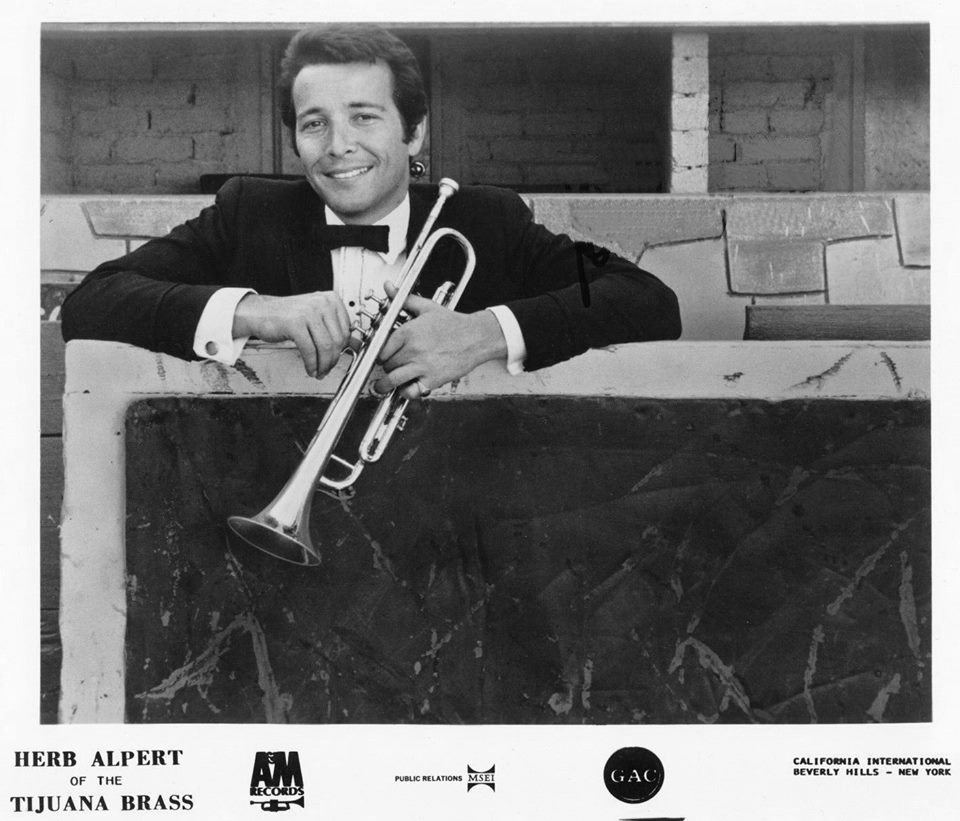
Trumpeter, songwriter, arranger, producer and band leader Herb Alpert turns 90 today. Born March 31, 1935 in Los Angeles, California, he is also well known as a record executive and businessman, most notably as the co-founder & the “A” in A & M Records, the label he started in 1962 with Jerry Moss (1935 – 2023). In 1989, they sold the company to the Polygram label for 500 million dollars.

Alpert started playing the trumpet as a child. After he served in the army during the Korean War, he began his professional career in music as a songwriter at Keen Records. One of the more well known songs he co-wrote during that period was “Wonderful World”, released by Sam Cooke in 1960. Shortly after that Alpert formed The Tijuana Brass (TJB) which had five #1 albums in the 1960’s.

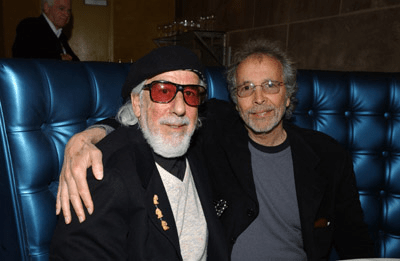
Top: Herb Alpert in an A&M promotional picture circa 1965. Middle: With Jerry Moss (L) circa 1974. Bottom: With his wife of 51 years, Lani Hall (R), circa 2019. (Images found online.  Original sources unknown.)

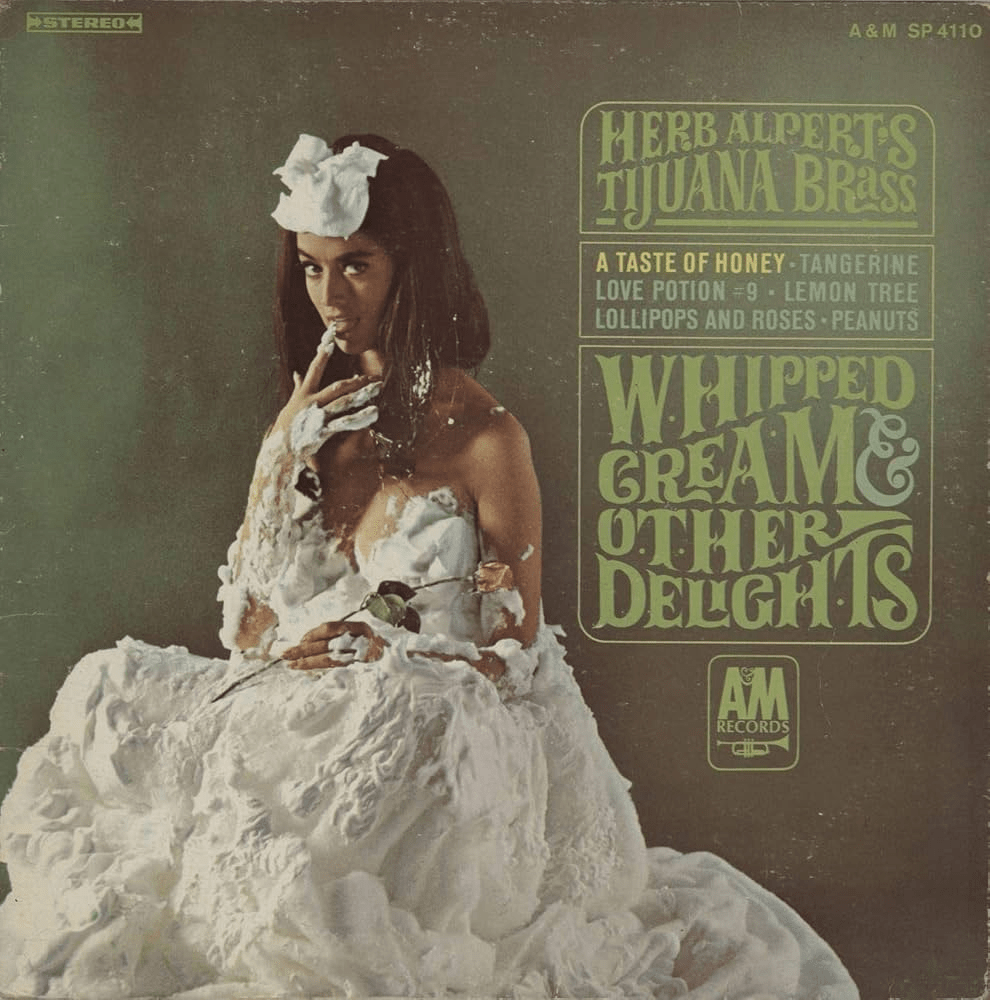
One of those top selling records, Whipped Cream & Other Delights, held the #1 spot on the U.S. Billboard 200 album chart for eight weeks. It is also celebrating a milestone this year, as it was released 60 years ago on on April 1, 1965. Renowned as much for the music as its cover which was deemed “racy” for its time due to its cover picture of a woman drenched in-what else-whipped cream, it features “A Taste Of Honey” and covers of the Johnny Mercer jazz standard, “Tangerine”, and the Lieber & Stoller hit, “Love Potion #9”. Alpert followed his tenure with the band with a solo career which included a #1 record in 1979 with “Rise”. He is currently on tour with the TJB celebrating their legacy.

(Image found online.  Original source unknown.)

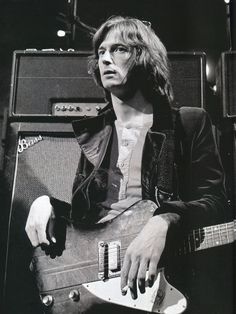
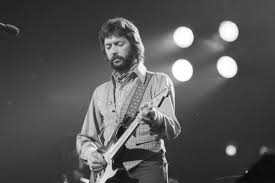
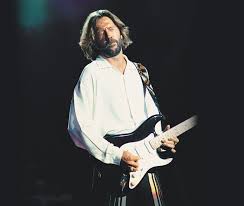
Guitar legend Eric Clapton turned 80 years old yesterday. He was born March 30, 1945 in Ripley, United Kingdom and began playing guitar as a teenager. He joined The Yardbirds in 1963, then left for a short stint with John Mayall & the Bluesbreakers before joining up with drummer Ginger Baker & bassist Jack Bruce in 1966 for the massively successful supergroup, Cream. In 1968 Clapton performed as a guest guitarist for The Beatles on “While My Guitar Gently Weeps”. After the end of Cream, he became a member of Blind Faith and Derek & The Dominos where one of his best known songs, “Layla” was recorded. His solo career followed including top selling albums from the 1970’s through the 1990’s which further secured Clapton’s place as a musical icon. He just announced a few U.S. concert dates for this fall in support of his latest studio album, Meanwhile.

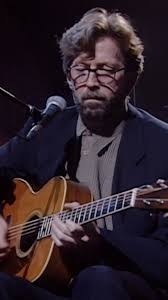
Eric Clapton through the years from the 1960’s (picture 1), the 1970’s (picture 2), the 1980’s (picture 3) & the 1990’s (picture 4). (Images found online.  Original sources unknown.)

Herb Alpert & The Tijuana Brass: “Ladyfingers” (1965, written by Toots Thielemans).

Herb Alpert: “This Guy’s In Love With You” (1968, written by Burt Bacharach and Hal David).

Herb Alpert: “Diamonds” (1987, written by James Harris III and Terry Lewis).

Blind Faith: “Can’t Find My Way Home” (1969, written by Stevie Winwood). (1969, written by Stevie Winwood).

Derek & The Dominoes: “Bell Bottom Blues” (1970, written by Eric Clapton and Bobby Whitlock).

Eric Clapton: “Pretending” (1989, written by Jerry Lynn Williams).

Stay safe & well.
Music Monday: March 24, 2025

Hi, everyone. Welcome to this week’s edition of Music Monday.

(Image found online.  Original source unknown.)

A big album from 1985 turned 40 years old last month. Songs From The Big Chair, the second studio album by British band Tears For Fears, was released in February 1985. It proved to be their breakthrough with two #1 hits: “Everybody Wants To Rule The World” for two weeks in June and “Shout” for three weeks in August, the same month the album took over the top spot of the Billboard 200 for five consecutive weeks.

It helped earn the band-formed in Bath, United Kingdom in 1981 by Roland Orzabal and Curt Smith-and their “synth-pop” sound a place as one of the most successful of the decade. My favorite track from the album was released in June 1985. The video was in very heavy rotation at that time and it is still quite popular, garnering 124 million views on YouTube to date. Orzabal’s evocative vocal and his manner of phrasing the song’s thought-provoking lyrics helped the song peak at #3 in the U.S. in November 1985.

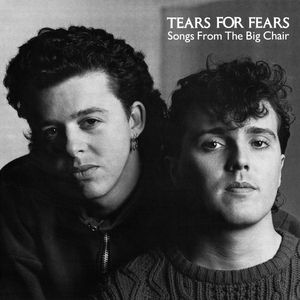
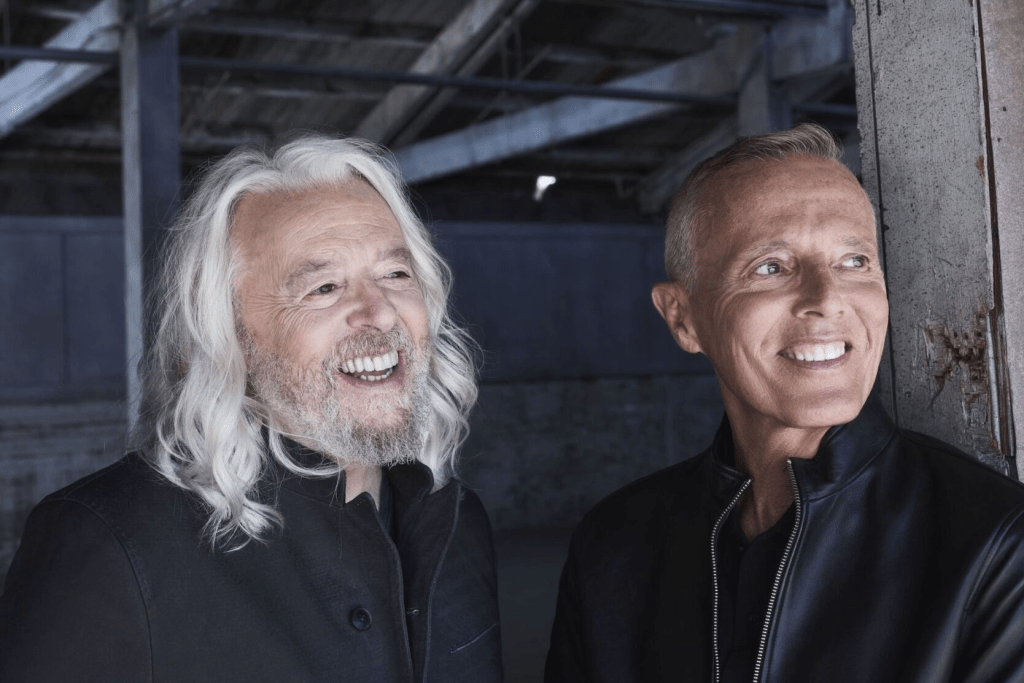
Top: Roland Orzabal (L) and Curt Smith (R) on the cover of their 1985 album. Bottom: The duo circa 2024. (Image found online.  Original source unknown.)

If the milestone anniversary of that album does not make you feel old, try this: “The Breakfast Club” also turned 40 last month. The movie, released in February 1985 as well, told the story of five teenagers spending a Saturday together in their high school’s library for a day of detention who learned a lot more than just a lesson in right and wrong.

Whether you still see yourself as “a brain, an athlete, a basket case, a princess or a criminal”, I do not think there is a more relatable film about teenage angst. The John Hughes classic eventually earned 51 million dollars in box office sales worldwide and produced a theme song that hit the top spot in the U.S. for one week in May 1985.

(Image found online.  Original source unknown.)

Tears For Fears: “Head Over Heels” (1985, written by Roland Orzabal and Curt Smith).

Simple Minds: “Don’t You (Forget About Me)” (1985, written by Keith Forsey and Steve Schiff).

Stay safe & well.
Music Monday: March 17, 2025

Hi, everyone. Welcome to this week’s edition of Music Monday.

(Image found online.  Original source unknown.)

Happy St. Patrick’s Day. In honor of this Irish holiday, I would like to pay homage to one of my favorite bands, U2.

Next year will mark 50 years since they formed in Dublin, Ireland in 1976. Their drummer, Larry Mullen Jr.-born October 31, 1961 in that city-placed an ad on a notice board at the Mount Temple Comprehensive School in Dublin, looking for musicians to form a band. These students responded:

David Howell Evans, lead guitarist, keyboardist & vocalist, who would later change his name to The Edge-born August 8, 1961 in Essex England-but his family relocated to Dublin a year later.

Adam Clayton, bassist, who just turned 65-born March 13, 1960 in England-who moved to Dublin five years later with his family.

Paul David Hewson, n/k/a Bono, lead vocalist, guitarist and primary lyricist, who will turn 65 in two months-born May 10, 1960 in Dublin.

(Image found online.  Original source unknown.)

U2 was signed to Island Records and released their debut album, Boy, in October 1980. More than a dozen albums followed including 1987’s The Joshua Tree, 1988’s Rattle & Hum and 1991’s Achtung Baby. But it was their album released in 2000-All That You Can’t Leave Behind-that sent the group off on their “Elevation” tour in Marc 2001 which would put them front and center in the U.S. to deliver a love letter to the country not long after one of its most devastating tragedies.

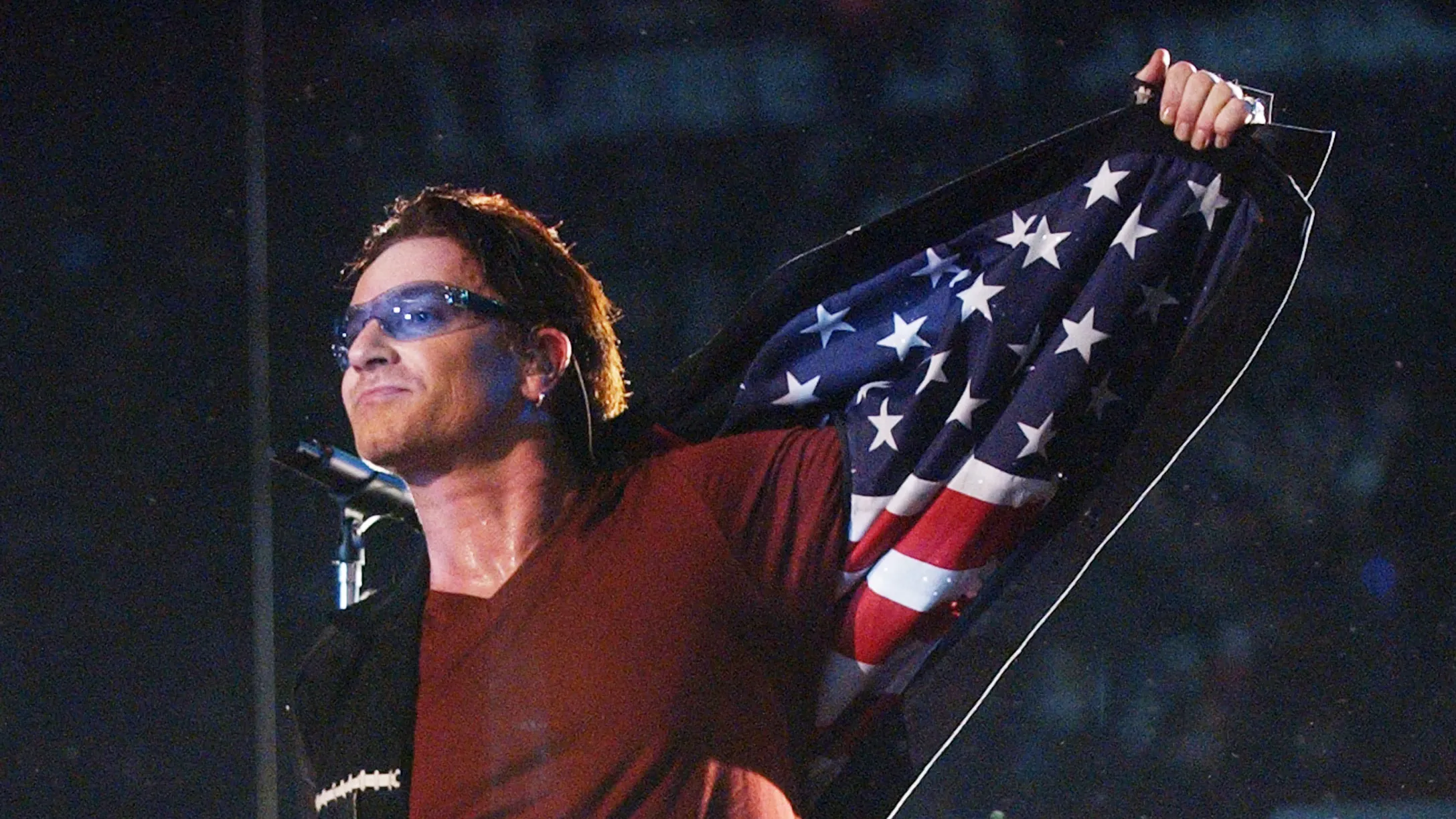
U2 performed the halftime show at Superbowl XXXVI in New Orleans on February 3, 2002. Standing on a heart shaped stage, they opened with “Beautiful Day”. As they began their second song, “MLK”, a screen emerged from behind the stage which listed the names of all the victims who died five months earlier on 9/11. By the end of their third song, Bono opened his leather jacket to reveal it was lined with the American Flag. With that, the band clapped for the audience who stood before them-and for those watching from home-in an incredible act of kindness and grace underscored by the healing power of music.

Three unforgettable images from Super Bowl XXXVI in February 2002. Top: U2 on stage during the halftime show (L-R: The Edge on lead guitar, Bono behind the mic on vocals, Larry Mullen Jr. on drums and Adam Clayton on bass). Middle: The names of those who lost their lives on 9/11 were featured on a giant screen behind the band as they started their second song. Bottom: Bono showing America some additional love at the end of U2’s performance. (Images found online.  Original sources unknown.)

U2: ” Where The Streets Have No Name” (1987, written by U2: Bono, Adam Clayton, The Edge and Larry Mullen Jr.).

U2: “One” (1991, written by U2: Bono, Adam Clayton, The Edge and Larry Mullen Jr.).

U2: “Walk On” (2000, written by U2: Bono, Adam Clayton, The Edge and Larry Mullen Jr.).

U2: “Sometimes You Can’t Make It on Your Own” (2004, written by U2: Bono, Adam Clayton, The Edge and Larry Mullen Jr.).

Stay safe & well.
Music Monday: March 10, 2025

Hi, everyone. Welcome to this week’s edition of Music Monday.

(Image found online.  Original source unknown.)

Another of my favorite songs just hit a milestone anniversary. It was written by blue-eyed soul master Daryl Hall and included by he & John Oates on their 1980 album, Voices. Another singer with a smooth R&B sound released it 40 years ago on February 25, 1985 as the first single from his second album, The Secret Of Association. The track reached the #4 spot in the UK a month later and the #1 spot in the U.S. for one week in July of the same year.

British singer, songwriter & musician Paul Young followed that hit with “I’m Gonna Tear Your Playhouse Down” which reached #13, also in 1985. Young first broke into the U.S. Top 40 in February 1984 with “Come Back And Stay” which peaked at #22 off his 1983 debut solo album, No Parlez. Later that year he was chosen as one of the lead voices (and the first one heard) on the charity single by Band Aid, “Do They Know It’s Christmas”. He also performed at Live Aid in London in 1985.

In 1990, Young reached the #8 spot in the U.S with a cover of The Chi-Lites #1 hit from May 1972, “Oh Girl”. Another cover-this one of Jimmy Ruffin’s 1966 classic, “What Becomes Of The Brokenhearted”-peaked at #22 for Young in 1992. A year later, he joined Elton John on his Duets album for a cover of “I’m Your Puppet”. To date Young has released 10 albums including 2023’s Behind The Lens.

Paul Young circa 2019. (Image found online.  Original source unknown.)

Paul Young: “Everytime You Go Away” (1985, written by Daryl Hall).

Stay safe & well.
Music Monday: March 3, 2025

Hi, everyone. Welcome to this week’s edition of Music Monday.

(Image found online.  Original source unknown.)

Marianne Faithfull died on January 30, 2025 at age 78. She began her musical career as a folk singer in 1964. When she met The Rolling Stones the same year at a party, their manager gave her one of their newly written songs to record which was the first of a series of hit singles for her. A relationship with Mick Jagger followed from 1966-1970 and while she proved to be a muse for him, her life became tainted by substance abuse which led to a decline in both her personal & professional lives. Her 1979 album, Broken English, started a career comeback with with more albums to follow along with acting roles on stage, TV and in movies.

Marianne Faithfull: December 29, 1946 – January 30, 2025.

Marianne Faithfull circa 1967. (Image found online.  Original source unknown.)

Jerry Butler died February 20, 2025 at age 85. He was the last surviving original member of The Impressions but left them in 1960 to pursue a solo career. In addition to his rich baritone voice, he also co-wrote several songs including “I’ve Been Loving You Too Long” with Otis Redding (who recorded it in 1965 for his Otis Blue album), “Only The Strong Survive” and “Never Give You Up” with Philly Soul superstars Kenneth Gamble and Leon Huff. The former is also the title track to Bruce Springsteen’s 2022 album of soul classic covers. The latter was a hit for Butler in 1968 & covered by The Black Keys for their 2010 album, Brothers. Their version is also featured on the soundtrack for the British crime thriller, “Luther” (S3 E4). Despite his tenure on the Cook County Board of Commissioners in Illinois from 1985-2018, Butler stayed active in music where he served as the chairman of the board for the Rhythm and Blues Foundation.

Jerry Butler: December 8, 1939 – February 20, 2025.

Jerry Butler performing in the 1970’s.(Image found online.  Original source unknown.)

Roberta Cleopatra Flack died on February 24, 2025 at the age of 88. She was born February 10, 1937 in Black Mountain, North Carolina. She started singing in church as a child and began formal piano training at age nine. In the 1970’s she was known for her own work which led to her becoming the first artist to win Record & Song Of The Year back to back at the Grammy Awards in 1973 & 1974.

That decade also gave her success with a few of her duets with Donny Hathaway in the (“Where Is The Love” was a #5 hit in August 1972 and “The Closer I Get To You” peaked at #2 in May 1978), later with Peabo Bryson (“Tonight, I Celebrate My Love” was a Top 20 hit in November 1983) and Maxi Priest (“Set The Night To Music” peaked at #6 in 1991). In 1996, The Fugees cover of “Killing Me Softly”-a #1 hit for Flack for five non-consecutive weeks in 1973- brought attention back to the original recording. In 1974 she received her third #1 song with “Feel Like Making Love” which topped the chart for one week in August 1974.

But it was the placement of one of Flack’s songs in 1971’s “Play Misty For Me”-the directorial debut by Clint Eastwood-that was not only an incredible moment in cinema but led to her first #1 song. It held the top spot for six weeks in the spring of 1972, yet it was originally released on her 1969 album, First Take. I was today year’s old when I found out she did not write that song as I always thought she did. It was written in 1957 by British singer-songwriter Ewan MacColl, the stage name for James Henry Miller. But Flack’s interpretation, her slow, easy yet powerful vocal placed perfectly in an incredible film gave the track and the artist the attention both so richly deserved.

Roberta Flack: February 10, 1937 – February 24, 2025.

Roberta Flack performing in the 1970’s. (Image found online.  Original source unknown.)

Yesterday marked the 75th birth anniversary for the beautiful & unbelievably talented Karen Carpenter. She was born in New Haven, Connecticut on March 2, 1950 and moved with her family to Downey, California when she was a teenager so her brother, Richard, could pursue a career in music. When she joined him as a drummer in his trio, he discovered her sublime voice. It was that sound along with his producing and arranging skills that catapulted them to stardom as a duo in the 1970’s.

There is a story I have read on several sites that mentions a time Karen crossed paths with John Lennon at a restaurant in Los Angeles, California and he told her that he loved her voice. Rumor has it that as flattered as she was, Karen did not believe it as she never realized how supremely gifted she was. The song I have chosen to honor her with today has amassed 67 million views on YouTube. And that is only one platform and only one song from the string of hits she put her vocals to. That is the staggering magnitude of her talent.

Karen Carpenter: March 2, 1950 – February 4, 1983.

Karen Carpenter in the 1970’s. (Image found online.  Original source unknown.)

Marianne Faithfull: “As Tears Go By” (1964, written by Mick Jagger, Andrew Loog Oldham and Keith Richards).

Jerry Butler & The Impressions: “For Your Precious Love” (1958, written by Arthur Brooks, Richard Brooks and Jerry Butler).

Roberta Flack: “The First Time Ever I Saw Your Face” (1969 & 1972, written by James Henry Miller, stage name Ewan MacColl).

The Carpenters: “Rainy Days & Mondays” (1971, written by Roger Nichols and Paul Williams).

Stay safe & well.
Music Monday: February 24, 2025

Hi, everyone. Welcome to this week’s edition of Music Monday.

(Image found online.  Original source unknown.)

Several now classic and legendary songs hit the top spot on the Billboard Hot 100 charts 50 years ago. This week I am focusing on three of my favorite #1 songs of 1975 – Part 1.

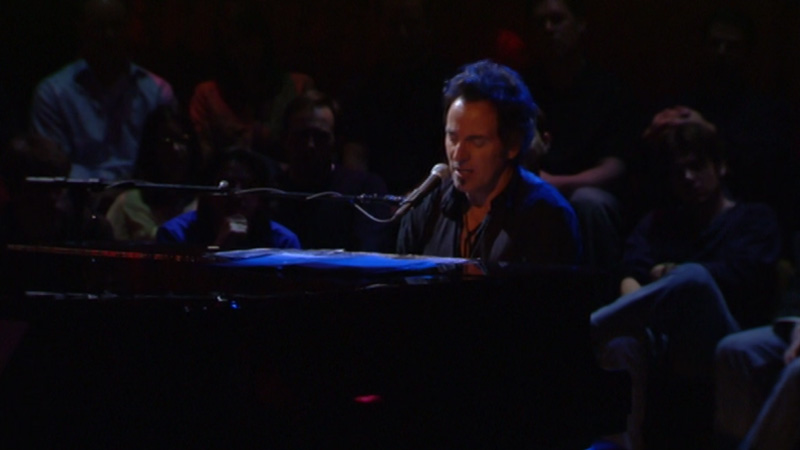
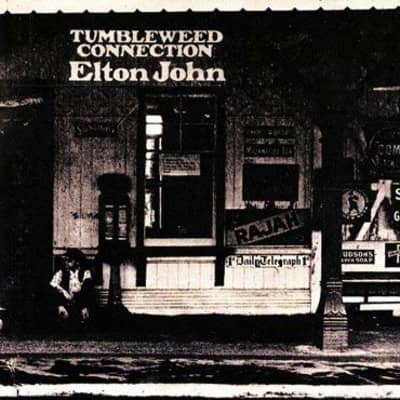
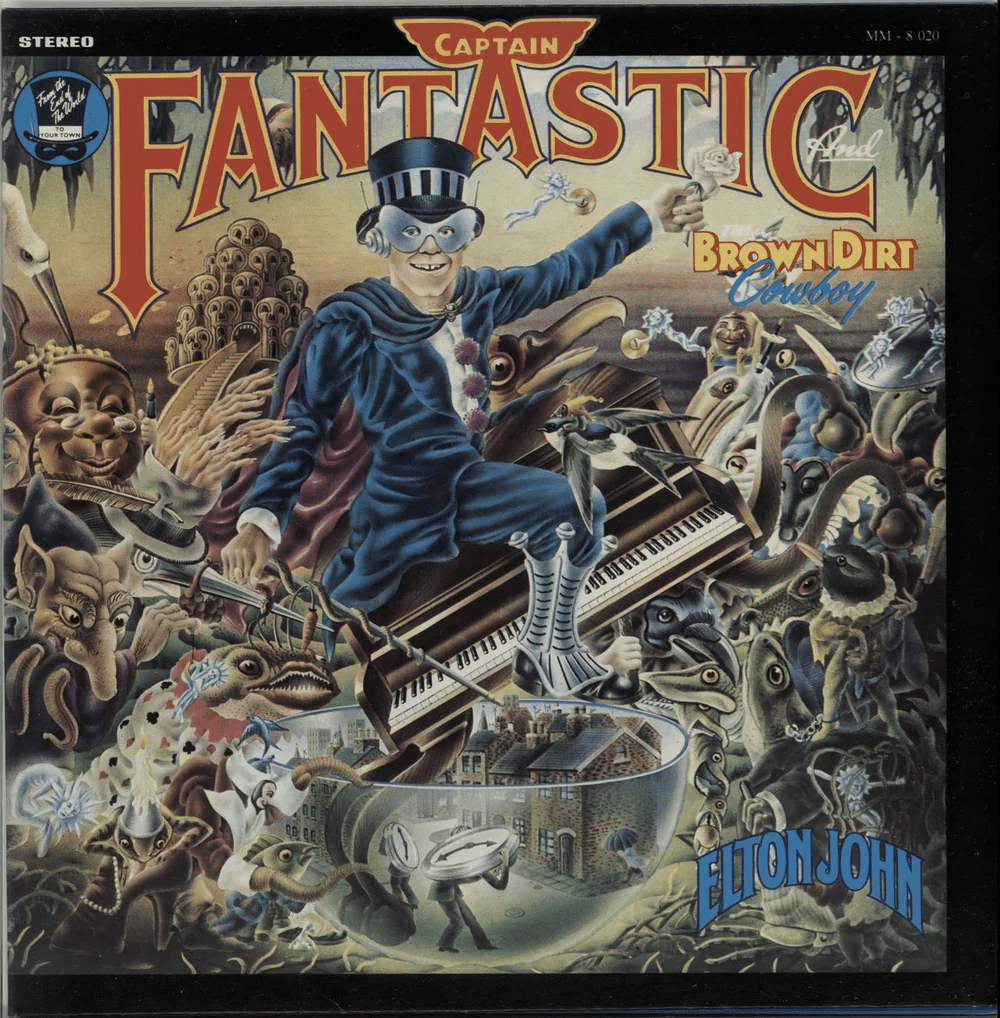
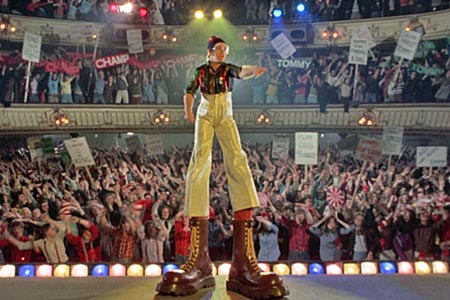
The year started with Elton John in the top spot for two weeks with his cover of a 1967 Beatles song. One of the song’s co-writers-John Lennon, billed on the cover track as “Dr. Winston O’Boogie”-played guitar and contributed backing vocals to it. The two artists collaborated on Lennon’s song, “Whatever Gets You Through The Night” in 1974. It became a #1 hit on November 16 that year, a feat John predicted would happen. That forced Lennon to settle a bet by appearing on stage at John’s concert at NYC’s Madison Square on Thanksgiving night on November 28, 1974 where the two performed that song & a cover of The Beatles’ “I Saw Her Standing There”.

John ended the year with two other #1 songs: “Philadelphia Freedom” hit the top spot for two weeks in April & “Island Girl” was #1 for three weeks in November 1975. He also provided backing vocals on Neil Sedaka’s song, “Bad Blood”, which was #1 for three weeks in October that year. That same month, John became godfather to Lennon’s second son, Sean. 1975 was one of several outstanding years for Elton John.

Elton John (L) and John Lennon (R) on stage at NYC’s Madison Square Garden on November 28, 1974. (Image found online.  Original source unknown.)

The next song to hit #1 in 1975 was by Barry Manilow. The first top selling record of his career reached that position for one week on January 18. Two more #1 records would follow for him over the years along with 11 Top Ten hits to add to his previous success as a jingle writer, a theme song writer & a pianist for The Divine Miss M, Bette Midler. I love a couple of other songs by him-“Weekend In New England” and “Trying To Get The Feeling”, specifically-but Manilow’s #1 track from 1975 had me from the line, “You kissed me and stopped me from shaking”.

Barry Manilow’s second album was released in October 1974. (Image found online.  Original source unknown.)

On February 15, 1975 Linda Ronstadt took over the #1 spot for one week with a track from her fifth album, Heart Like A Wheel. That proved to be her breakthrough record, as it reached #1 on the Billboard Albums chart the same day her cover of the 1963 song by Dee Dee Warwick (sister to Dionne) gave Ronstadt the biggest selling song of her career. Ten Top 10 hits would follow in the next several decades as she successfully explored a number of different genres of music, but 1975 was the year Ronstadt broke through as one of the industry’s greatest talents.

Today’s Linda Ronstadt’s song is from her fifth album, released in November 1974. (Image found online.  Original source unknown.)

Elton John: “Lucy In The Sky With Diamonds” (1974, written by John Lennon and Paul McCartney).

Barry Manilow: “Mandy” (1974, written by Scott English and Richard Kerr).

Linda Ronstadt: “You’re No Good” (1974, written by Clint Ballard Jr.).

Stay safe & well.
Music Monday: February 17, 2025

Hi, everyone. Welcome to this week’s edition of Music Monday.

(Image found online.  Original source unknown.)

Four of my favorite albums are celebrating milestones this year.

Abbey Road, while released in September 1969, was the #1 album in the country at the beginning of 1970 where it stayed for the first two weeks of the year. It was bumped during the third week of January but returned for one more week at #1 on January 24, 1970. Fifty-five years later, Sir Paul McCartney performed the side two medley – “Golden Slumbers/Carry That Weight/The End” – to close out last night’s SNL 50th anniversary celebration. Respect.

(Image found online.  Original source unknown.)

Morrison Hotel is the fifth studio album by The Doors released by Elektra Records on February 9, 1970. This year also marks 60 years of the band which formed in Los Angeles, California in 1965. Three unbelievably talented accomplished musicians paired with a brilliant phenomenal vocalist & poet helped to bring an abrupt end to The British Invasion of the 1960’s with their stunning 1967 self-titled debut. The Doors are arguably the greatest American band whose impact & influence continues today.

(Image found online.  Original source unknown.)

John Fogerty released his third solo studio album, Centerfield, forty years ago on January 14, 1985. It included three hit singles including the title track, “The Old Man Down the Road” and a song I am pretty sure is about me & my fellow “rock & roll girls”. Part of the success came from Fogerty’s decision to embrace the “new” format of music videos at that time, so several of his were in heavy rotation on MTV, which introduced him to a whole new audience.

(Image found online.  Original source unknown.)

Fifteen years earlier, Fogerty and the rest of Creedence Clearwater Revival released their fifth studio album, Cosmo’s Factory, on July 8, 1970. About a month later it became the #1 album in the country for nine consecutive weeks from August 22 – October 23, 1970. It includes a fabulous cover of Marvin Gaye’s smash, “I Heard It Through The Grapevine” as well as original songs like “Travelin’ Band”, “Looking Out My Back Door”, “Run Through The Jungle” and my favorite song by the group. And 55 years later, CCR’s music is still one of the top chapters in classic rock.

(Image found online.  Original source unknown.)

The Beatles: “Something” (1969, written by George Harrison).

The Doors: “Roadhouse Blues” (1970, lyrics written by Jim Morrison, music written by John Densmore, Robby Krieger and Ray Manzarek).

Creedence Clearwater Revival: “Who’ll Stop The Rain” (1970, written by John Fogerty).

John Fogerty: “Rock & Roll Girls” (1985, written by John Fogerty).

Stay safe & well.
Music Monday: February 10, 2025

Hi, everyone. Welcome to this week’s edition of Music Monday.

(Image found online.  Original source unknown.)

This month marks 66 years since Buddy Holly (age 22) and two other musicians-Jiles Perry “J.P.” Richardson Jr., better known by his stage name, The Big Bopper (age 28) and Ritchie Valens (age 17)-along with their pilot, Roger Peterson (age 21)-died in a plane crash on February 3, 1959 in Clear Lake, Iowa. The actual cause of the crash remains unknown with only speculations as to probable causes.

Remembering the four men who died 66 years ago in Clear Lake, Iowa (pictured L-R): Jiles Perry “J.P.” Richardson Jr., better known by his stage name, The Big Bopper, Buddy Holly, Ritchie Valens and the pilot, Roger Peterson. (Images found online.  Original sources unknown.)

That tragedy was believed to mark the end of the early rock & roll era, so it was referred to as “The Day The Music Died”. That phrase was immortalized by Don McLean in his now legendary ode from 1971, “American Pie”. Its popularity continues to resonate as evidenced by the fact that the official YouTube video for the song has amassed over 40 million views.

Don McLean circa 1971. (Image found online.  Original source unknown.)

The music of the three artists who died in the crash continues to be a part of pop culture more than six decades after their deaths. Some significant examples include a Holly song featured in a 2008 episode of one of my favorite TV shows, “Lost” (S4 E11, “Cabin Fever”) 51 years after the track’s initial release. The Big Bopper’s biggest hit appeared in the S4 finale of “Murphy Brown” (“Birth 101”) which aired May 18, 1992. When Eldin sang it to Murphy while she was overwhelmed by the pain of her labor in an episode which was broadcast 33 years after Richardson’s death, it allowed him to became a part of pop culture in a whole new way. Valens’ story was the feature of the 1987 movie, “La Bamba” and his songs have been heard in at least two iconic movies, “Grease” & “The Right Stuff”.

After over six decades I did not expect to have anything new to add to this monumentally tragic event. But last week I stumbled upon the 2022 documentary, “The Day The Music Died: The Story Of Don McLean’s American Pie“. It is a deep dive into his song verse by verse, the musicians involved in its recording, its impact in music while also taking an inside look at the arena where the three men played for the last time-The Surf Ballroom in Clear Lake, Iowa-during the Winter Dance Party tour. Valens’ sister, Connie, is featured in the film and is shown meeting McLean the day he performs at that venue.

(Image found online.  Original source unknown.)

One part of the documentary I found particularly moving came from the producer of McLean’s epic song, Ed Freeman, who expressed such a poignant sentiment about it:

“(The song) was really encapsulating the experience of a whole generation. We were witness to the death of the American dream…..Hippies thought we were gonna take over the world with love and peace. It didn’t happen. For me, “American Pie” is the eulogy for the dream that didn’t take place. It was real important that way. I think we all needed it. It was an acknowledgement of what we had been through and in a way, because it was an acknowledgement, we could move on”.

Buddy Holly: September 7, 1936 – February 3, 1959.

Jiles Perry “J.P.” Richardson Jr., a/k/a The Big Bopper: October 24, 1930 – February 3, 1959.

Ritchie Valens: – May 13, 1941 – February 3, 1959.

Roger Peterson: May 24, 1937 – February 3, 1959.

A Winter Dance Party poster image found on the NYC Met Museum website. (Image found online. Original source unknown.)

Buddy Holly: “Everyday” (1957, written by Buddy Holly and Norman Petty).

J.P. Richardson a/k/a The Big Bopper: “Chantilly Lace” (1958, written by J.P. Richardson). 

Ritchie Valens: “La Bamba” (1958, written by Ritchie Valens based on a traditional Mexican folk song).

Don McLean: “American Pie” (1971, written by Don McLean). 

Stay safe & well.

Music Monday: February 3, 2025

Hi, everyone. Welcome to this week’s edition of Music Monday.

(Image found online.  Original source unknown.)

This month marks 61 years since The Beatles arrived in America-on February 7, 1964-and changed music, Sunday nights & pop culture forever with their first appearance on “The Ed Sullivan Show”-on February 9, 1964.

Here is the post I wrote about this epic event on the 55th anniversary in February 2019:

February 9, 1964.  One night.  One show.  One band.  And the rest, as they say, was history.

Ed Sullivan with The Fab Four on February 9, 1964. (Photo courtesy of CBS. Image found online.  Original source unknown.)

The Beatles on February 9, 1964. (Photo courtesy of CBS. Image found online.  Original source unknown.)

There isn’t anything to add to this moment in history.  It was perfect.  And it changed music and subsequently the world forever.  Thank you, Mr. Sullivan, for introducing us to John, Paul, George & Ringo.  For all they gave us, for all those they inspired and all those that came after them.  This was the moment that started it all.

The performance of this song does not get as much recognition as the other songs they sang that night, but it was during this number that each of the Beatles were identified by their first name.

The Beatles:  “Till There Was You” (1963, written by Meredith Willson).

Stay safe & well.
Music Monday: January 27, 2025

Hi, everyone. Welcome to this week’s edition of Music Monday.
(Image found online.  Original source unknown.)

Less than a month into the new year and already a loss. Garth Hudson, the last surviving member of The Band, passed away on January 21 at age 87. He was a multi-instrumentalist and true musical virtuoso who added such a unique and resounding piece to what turned out to be an incredible group of musicians.

Born August 2, 1937 in Canada, he & the rest of The Band-Rick Danko, Levon Helm, Richard Manuel and Robbie Robertson-formed in 1957 and a year later were the backing band for singer Ronnie Hawkins until 1963. By 1965, The Band were backing Bob Dylan during his electric phase. While he was recuperating from injuries sustained in a motorcycle accident in 1966, The Band rented a house in upstate New York where they recorded their first album, Music From Big Pink, released in 1968. The Band broke up in 1977 and their last concert in 1976 was captured in the film, “The Last Waltz”, released in 1978.

The Band’s 1969 self-titled album (L-R): Richard Manuel, Levon Helm, Rick Danko, Garth Hudson and Robbie Robertson. (Image found online.  Original source unknown.)

After that Hudson played as a session musician, reformed The Band for a brief stint (with all but Robertson in attendance), did some solo work & performed with his wife, Maud, who died in 2022. According to the AP’s report on his death, Hudson faced financial struggles in the later years of his life including bankruptcy, foreclosure & an auction to sell his personal items in 2013 when he could no longer afford a storage unit. Like the other three members of The Band, Hudson had sold his interest in the group to Robbie Robertson who had been called out on several occasions by both Levon Helm and Rick Danko for taking advantage of his so called brothers while they were struggling at their lowest points. Robertson also refused to acknowledge their contributions to the songwriting process.

When he died in 2023 his net worth was allegedly around $50 million dollars, yet did nothing to assist Hudson at the very least by paying for the back rent on the storage unit to save his belongings. By that time they were the last two surviving members after Helm’s death in 2012. Whatever brotherhood existed in The Band during their 19 years together, it does not seem Robertson had any part of it once the group disbanded. By comparison one of his biggest admirers, Eric Clapton, agreed to give his Derek & The Dominos bandmate Bobby Whitlock songwriting credit in 2017 for a few tracks for the group’s only album, 1970’s Layla & Other Assorted Love Songs, just ahead of its 50th anniversary reissue. Moral of the story: it is never too late to be a decent human being. And Hudson seemed to be one of the good ones who deserved a better ending to his story.

Eric Garth Hudson: August 2, 1937 – January 21, 2025.

Top: Hudson in the late 1970’s. Bottom: The musician circa 2015. (Images found online.  Original sources unknown.)

The Band: “The Weight” (1968, written by Robbie Robertson).

The Band: “I Shall Be Released” (1968, written by Bob Dylan).

The Band: “Up On Cripple Creek” (1969, written by Robbie Robertson).

Until next time, happy listening!!!