Music Monday: February 24, 2025

Hi, everyone. Welcome to this week’s edition of Music Monday.

(Image found online.  Original source unknown.)

Several now classic and legendary songs hit the top spot on the Billboard Hot 100 charts 50 years ago. This week I am focusing on three of my favorite #1 songs of 1975 – Part 1.

The year started with Elton John in the top spot for two weeks with his cover of a 1967 Beatles song. One of the song’s co-writers-John Lennon, billed on the cover track as “Dr. Winston O’Boogie”-played guitar and contributed backing vocals to it. The two artists collaborated on Lennon’s song, “Whatever Gets You Through The Night” in 1974. It became a #1 hit on November 16 that year, a feat John predicted would happen. That forced Lennon to settle a bet by appearing on stage at John’s concert at NYC’s Madison Square on Thanksgiving night on November 28, 1974 where the two performed that song & a cover of The Beatles’ “I Saw Her Standing There”.

John ended the year with two other #1 songs: “Philadelphia Freedom” hit the top spot for two weeks in April & “Island Girl” was #1 for three weeks in November 1975. He also provided backing vocals on Neil Sedaka’s song, “Bad Blood”, which was #1 for three weeks in October that year. That same month, John became godfather to Lennon’s second son, Sean. 1975 was one of several outstanding years for Elton John.
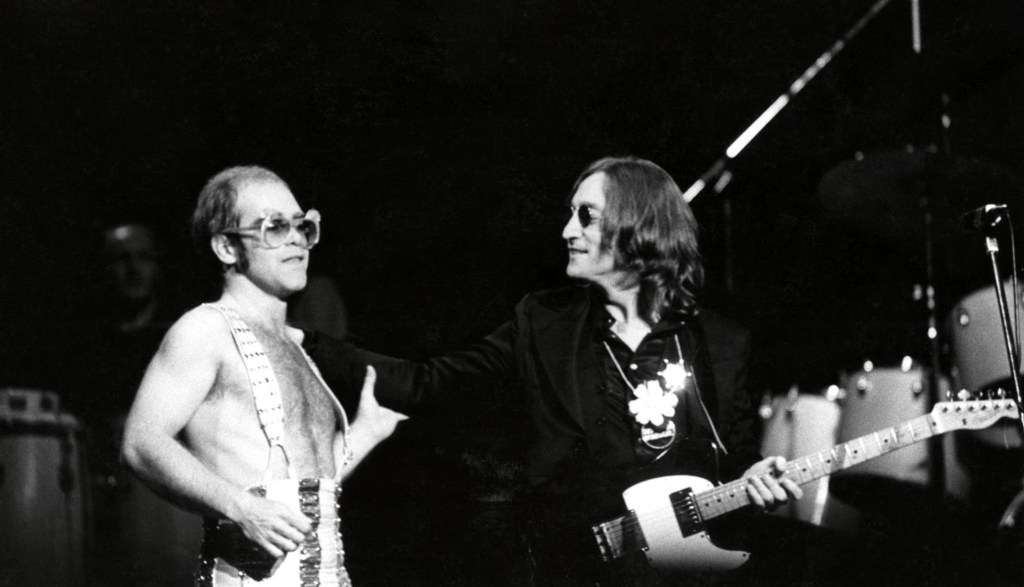
Elton John (L) and John Lennon (R) on stage at NYC’s Madison Square Garden on November 28, 1974. (Image found online.  Original source unknown.)

The next song to hit #1 in 1975 was by Barry Manilow. The first top selling record of his career reached that position for one week on January 18. Two more #1 records would follow for him over the years along with 11 Top Ten hits to add to his previous success as a jingle writer, a theme song writer & a pianist for The Divine Miss M, Bette Midler. I love a couple of other songs by him-“Weekend In New England” and “Trying To Get The Feeling”, specifically-but Manilow’s #1 track from 1975 had me from the line, “You kissed me and stopped me from shaking”.
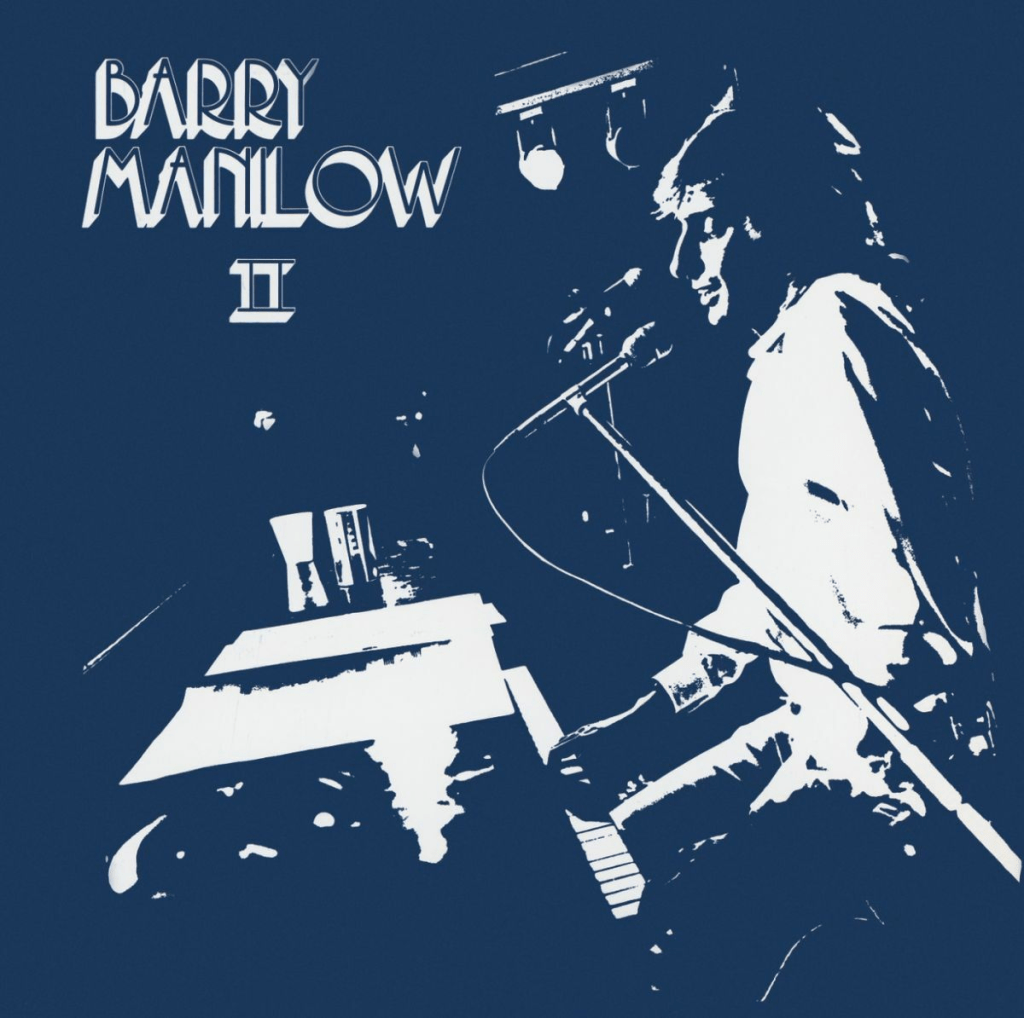
Barry Manilow’s second album was released in October 1974. (Image found online.  Original source unknown.)

On February 15, 1975 Linda Ronstadt took over the #1 spot for one week with a track from her fifth album, Heart Like A Wheel. That proved to be her breakthrough record, as it reached #1 on the Billboard Albums chart the same day her cover of the 1963 song by Dee Dee Warwick (sister to Dionne) gave Ronstadt the biggest selling song of her career. Ten Top 10 hits would follow in the next several decades as she successfully explored a number of different genres of music, but 1975 was the year Ronstadt broke through as one of the industry’s greatest talents.

Today’s Linda Ronstadt’s song is from her fifth album, released in November 1974. (Image found online.  Original source unknown.)

Elton John: “Lucy In The Sky With Diamonds” (1974, written by John Lennon and Paul McCartney).

Barry Manilow: “Mandy” (1974, written by Scott English and Richard Kerr).

Linda Ronstadt: “You’re No Good” (1974, written by Clint Ballard Jr.).

Stay safe & well.

Let There Be Hurricane Lamps

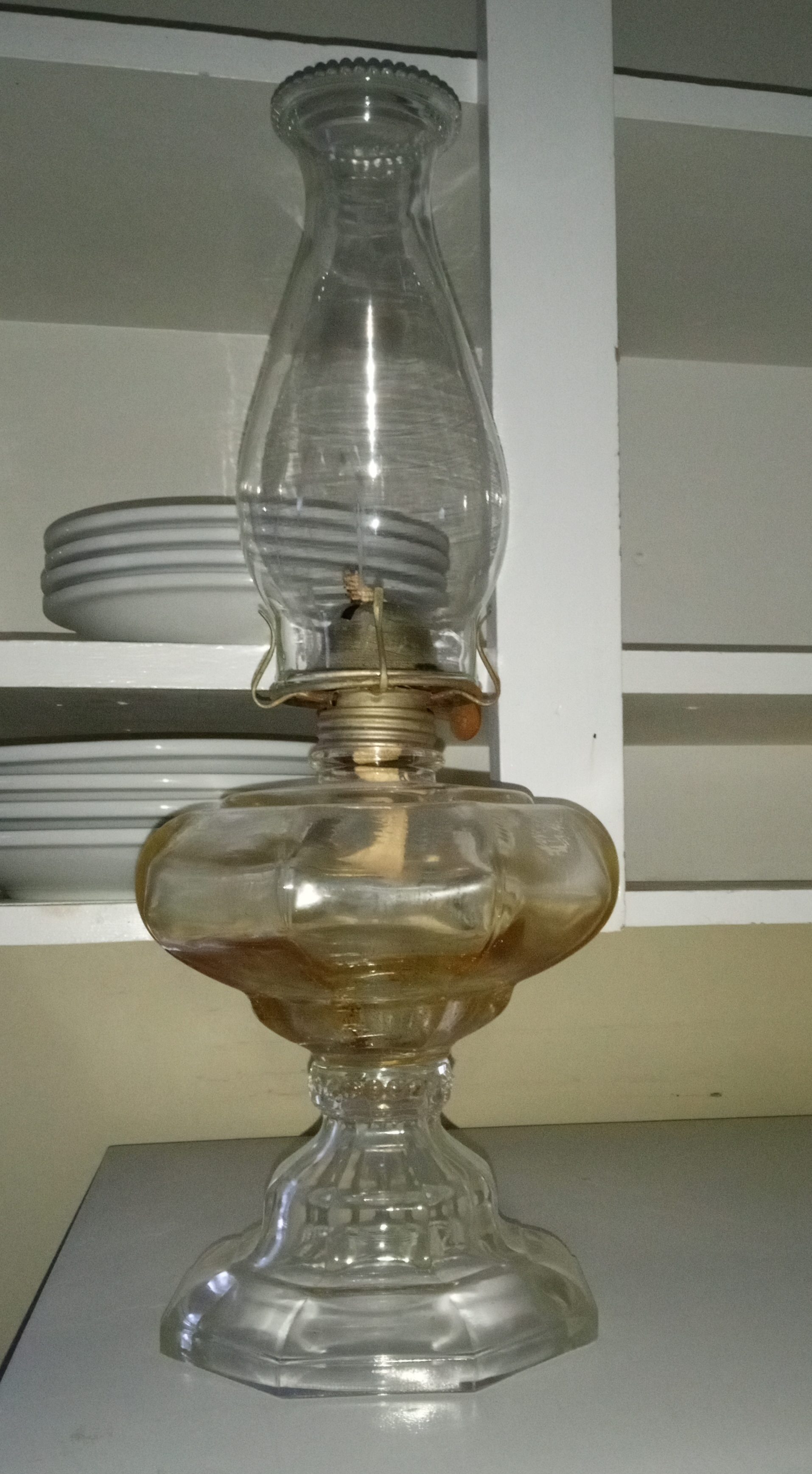
My grandmother came to live with me when I was 12. Admittedly, her decorating style was not similar to mine at all. She preferred lots of bold color, I was into more softer hues. She liked a lot of texture, I did not. She introduced me to criss cross curtains which I loved, then she traded them in for shutters. But she had two beautiful hurricane lamps that I absolutely adored. One of them is now mine.

(Image by me.)

I inherited it in 2001 after she passed away and I have cherished it ever since. I wish I had asked her more about the lamp, like when and where she bought it, but for some reason I never did. The middle part still has remnants of the lamp oil she used in it so I have not had the heart to clean that part out. I find the entire piece so elegant, especially the base which reminds me of some candlestick holders she had as well.

(Image by me.)

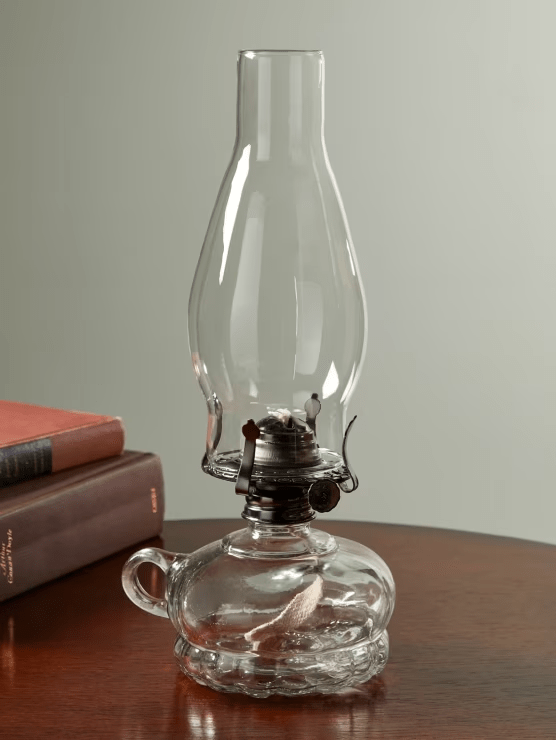
For a while I had amassed a collection of about seven or eight of them, with some similar to the one below which I found online. Once I downsized and sold my home, I just kept hers which currently sits on my refrigerator so it is one of the first things I see when I enter my apartment.

(Image found online.  Original source unknown.)

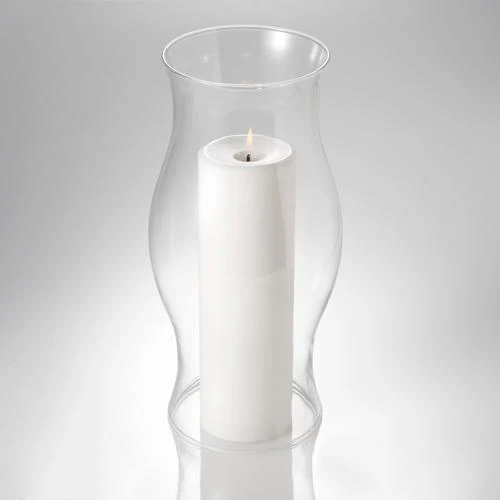
I have held onto and continue to acquire the chimneys which work so well over pillar candles for safety but also to give them a more sophisticated look. While some of the chimneys are quite delicate, there are many that have more weight to them. I also bought two similar to the ones below which look quite nice as well.

(Image found online.  Original source unknown.)

Despite how well my hurricane lamp probably still functions, I prefer to keep it as a decor piece only. Just looking at it provides enough joy and I do not have to worry that I might damage it if I use it.

What are some of your favorite inherited pieces? Please tell me in the comments below.

Until next time, stay safe & well.  

Music Monday: February 17, 2025

Hi, everyone. Welcome to this week’s edition of Music Monday.

(Image found online.  Original source unknown.)

Four of my favorite albums are celebrating milestones this year.

Abbey Road, while released in September 1969, was the #1 album in the country at the beginning of 1970 where it stayed for the first two weeks of the year. It was bumped during the third week of January but returned for one more week at #1 on January 24, 1970. Fifty-five years later, Sir Paul McCartney performed the side two medley – “Golden Slumbers/Carry That Weight/The End” – to close out last night’s SNL 50th anniversary celebration. Respect.

(Image found online.  Original source unknown.)

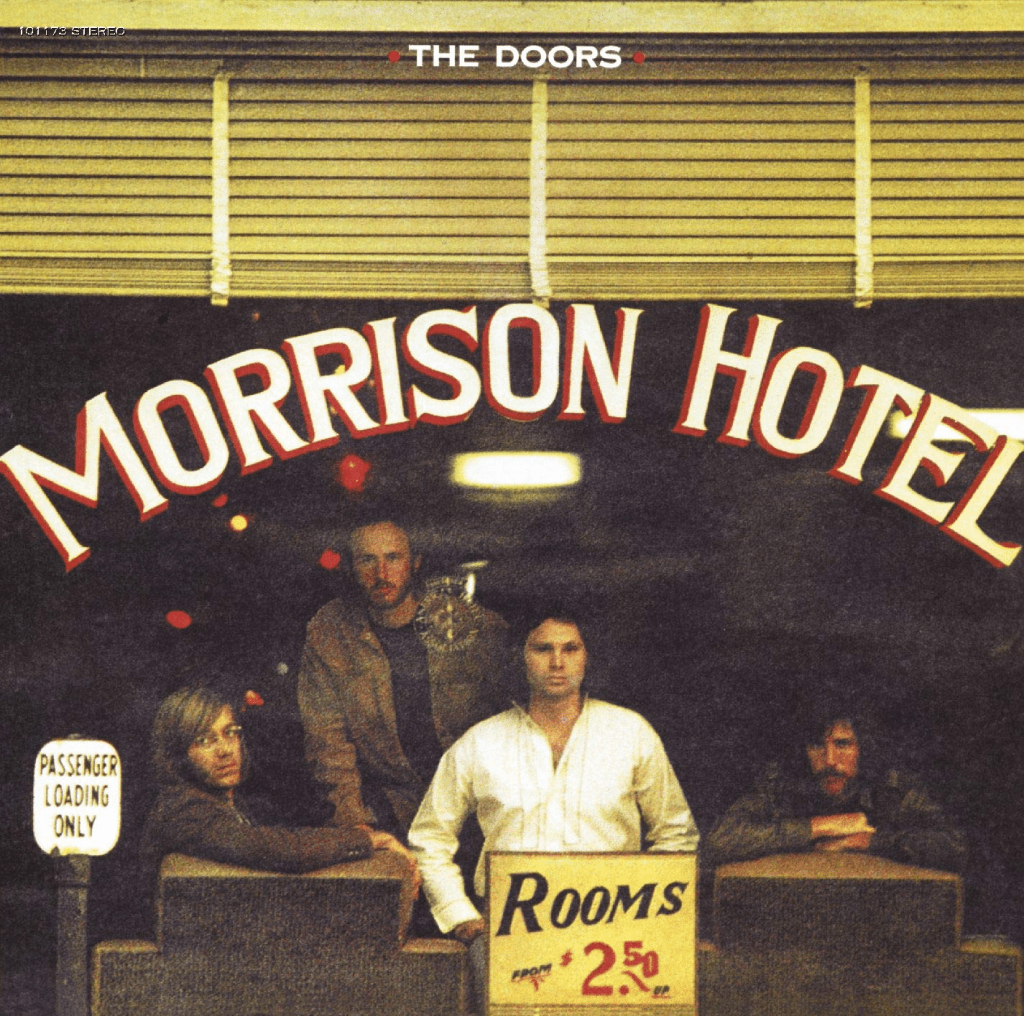
Morrison Hotel is the fifth studio album by The Doors released by Elektra Records on February 9, 1970. This year also marks 60 years of the band which formed in Los Angeles, California in 1965. Three unbelievably talented accomplished musicians paired with a brilliant phenomenal vocalist & poet helped to bring an abrupt end to The British Invasion of the 1960’s with their stunning 1967 self-titled debut. The Doors are arguably the greatest American band whose impact & influence continues today.

(Image found online.  Original source unknown.)

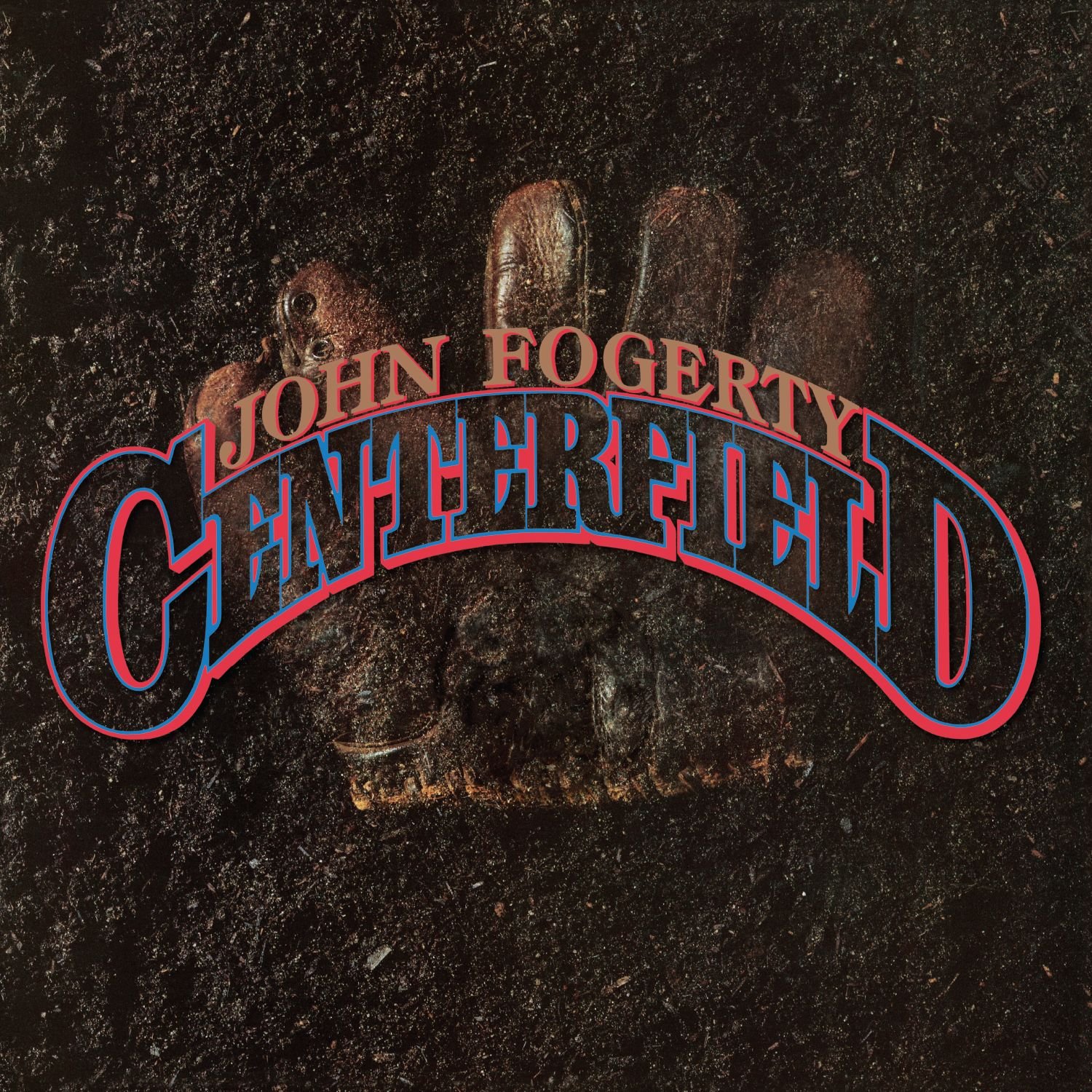
John Fogerty released his third solo studio album, Centerfield, forty years ago on January 14, 1985. It included three hit singles including the title track, “The Old Man Down the Road” and a song I am pretty sure is about me & my fellow “rock & roll girls”. Part of the success came from Fogerty’s decision to embrace the “new” format of music videos at that time, so several of his were in heavy rotation on MTV, which introduced him to a whole new audience.

(Image found online.  Original source unknown.)

Fifteen years earlier, Fogerty and the rest of Creedence Clearwater Revival released their fifth studio album, Cosmo’s Factory, on July 8, 1970. About a month later it became the #1 album in the country for nine consecutive weeks from August 22 – October 23, 1970. It includes a fabulous cover of Marvin Gaye’s smash, “I Heard It Through The Grapevine” as well as original songs like “Travelin’ Band”, “Looking Out My Back Door”, “Run Through The Jungle” and my favorite song by the group. And 55 years later, CCR’s music is still one of the top chapters in classic rock.

(Image found online.  Original source unknown.)

The Beatles: “Something” (1969, written by George Harrison).

The Doors: “Roadhouse Blues” (1970, lyrics written by Jim Morrison, music written by John Densmore, Robby Krieger and Ray Manzarek).

Creedence Clearwater Revival: “Who’ll Stop The Rain” (1970, written by John Fogerty).

John Fogerty: “Rock & Roll Girls” (1985, written by John Fogerty).

Stay safe & well.

Music Monday: February 10, 2025

Hi, everyone. Welcome to this week’s edition of Music Monday.

(Image found online.  Original source unknown.)

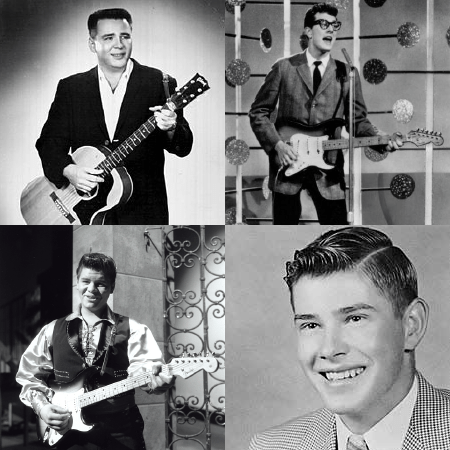
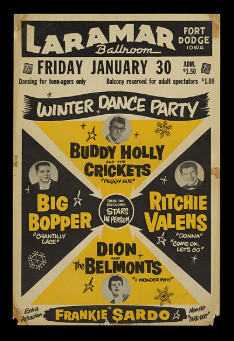
This month marks 66 years since Buddy Holly (age 22) and two other musicians-Jiles Perry “J.P.” Richardson Jr., better known by his stage name, The Big Bopper (age 28) and Ritchie Valens (age 17)-along with their pilot, Roger Peterson (age 21)-died in a plane crash on February 3, 1959 in Clear Lake, Iowa. The actual cause of the crash remains unknown with only speculations as to probable causes.

Remembering the four men who died 66 years ago in Clear Lake, Iowa (pictured L-R): Jiles Perry “J.P.” Richardson Jr., better known by his stage name, The Big Bopper, Buddy Holly, Ritchie Valens and the pilot, Roger Peterson. (Images found online.  Original sources unknown.)

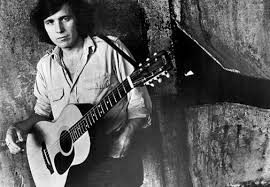
That tragedy was believed to mark the end of the early rock & roll era, so it was referred to as “The Day The Music Died”. That phrase was immortalized by Don McLean in his now legendary ode from 1971, “American Pie”. Its popularity continues to resonate as evidenced by the fact that the official YouTube video for the song has amassed over 40 million views.

Don McLean circa 1971. (Image found online.  Original source unknown.)

The music of the three artists who died in the crash continues to be a part of pop culture more than six decades after their deaths. Some significant examples include a Holly song featured in a 2008 episode of one of my favorite TV shows, “Lost” (S4 E11, “Cabin Fever”) 51 years after the track’s initial release. The Big Bopper’s biggest hit appeared in the S4 finale of “Murphy Brown” (“Birth 101”) which aired May 18, 1992. When Eldin sang it to Murphy while she was overwhelmed by the pain of her labor in an episode which was broadcast 33 years after Richardson’s death, it allowed him to became a part of pop culture in a whole new way. Valens’ story was the feature of the 1987 movie, “La Bamba” and his songs have been heard in at least two iconic movies, “Grease” & “The Right Stuff”.

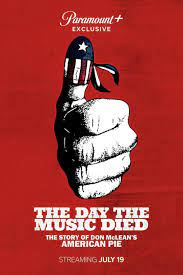
After over six decades I did not expect to have anything new to add to this monumentally tragic event. But last week I stumbled upon the 2022 documentary, “The Day The Music Died: The Story Of Don McLean’s American Pie“. It is a deep dive into his song verse by verse, the musicians involved in its recording, its impact in music while also taking an inside look at the arena where the three men played for the last time-The Surf Ballroom in Clear Lake, Iowa-during the Winter Dance Party tour. Valens’ sister, Connie, is featured in the film and is shown meeting McLean the day he performs at that venue.

(Image found online.  Original source unknown.)

One part of the documentary I found particularly moving came from the producer of McLean’s epic song, Ed Freeman, who expressed such a poignant sentiment about it:

“(The song) was really encapsulating the experience of a whole generation. We were witness to the death of the American dream…..Hippies thought we were gonna take over the world with love and peace. It didn’t happen. For me, “American Pie” is the eulogy for the dream that didn’t take place. It was real important that way. I think we all needed it. It was an acknowledgement of what we had been through and in a way, because it was an acknowledgement, we could move on”.

Buddy Holly: September 7, 1936 – February 3, 1959.

Jiles Perry “J.P.” Richardson Jr., a/k/a The Big Bopper: October 24, 1930 – February 3, 1959.

Ritchie Valens: – May 13, 1941 – February 3, 1959.

Roger Peterson: May 24, 1937 – February 3, 1959.

A Winter Dance Party poster image found on the NYC Met Museum website. (Image found online. Original source unknown.)

Buddy Holly: “Everyday” (1957, written by Buddy Holly and Norman Petty).

J.P. Richardson a/k/a The Big Bopper: “Chantilly Lace” (1958, written by J.P. Richardson). 

Ritchie Valens: “La Bamba” (1958, written by Ritchie Valens based on a traditional Mexican folk song).

Don McLean: “American Pie” (1971, written by Don McLean). 

Stay safe & well.

Pretty In Pink

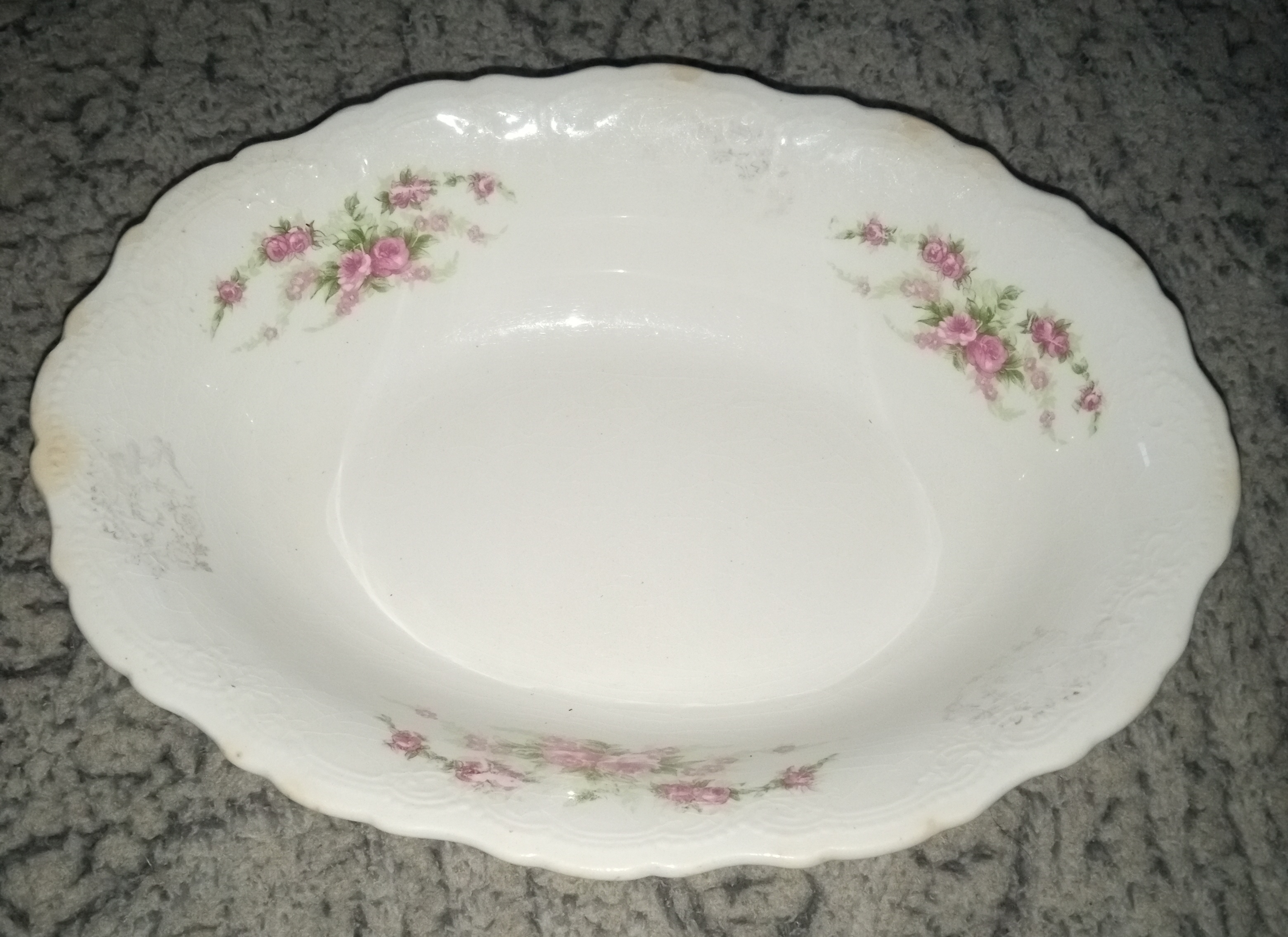
Is there a better win at an estate or tag sale than stumbling upon something so beautiful you literally swoon? My first look at this bowl over a decade ago did that to me and I still feel butterflies every time I see it.

(Image by me.)

It is a perfect balance of my love of white Ironstone & a soft delicate minimal floral pattern in a sweet shade of pink. And I love how one side featured two flower bunches to the individual one on the other side. Such a unique way to give the pattern more visual interest.

(Image by me.)

The edges are scalloped with a small dot pattern all around the edge. Such beautiful attention to detail to such a lovely piece.

(Image by me.)

I am sad to say that in all the years since this find, I have yet to come across another piece to build a collection with. I used this bowl on my coffee table for all to see for many years where it held the TV remote. Now that I no longer have a television, I repurposed this piece to hold seasonal items like acorns and pinecones in the fall & winter and wrapped candy in the spring & summer so it can remain on display. It is just too pretty not to be the center of attention.

(Image by me.)

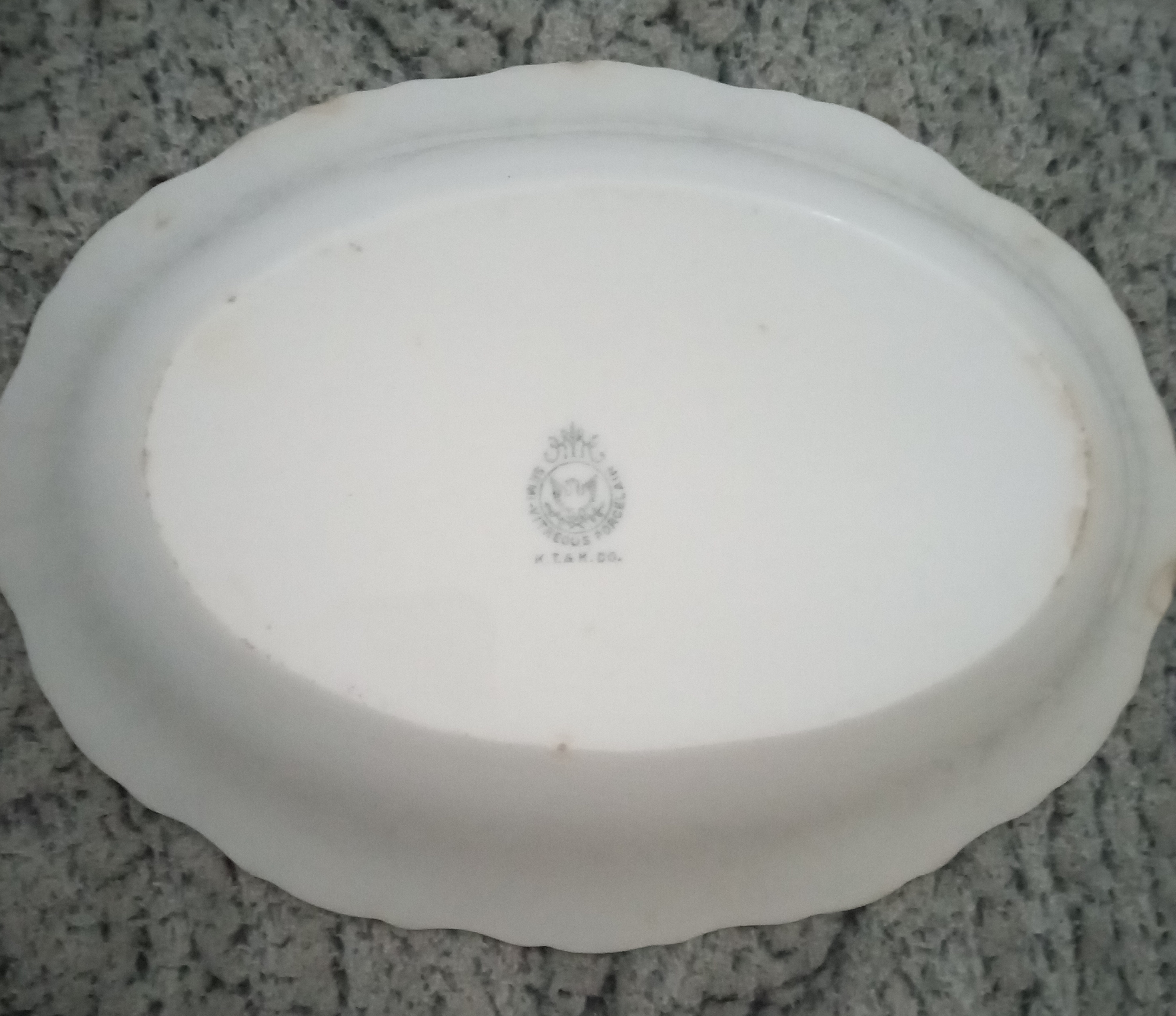
The stamp on the back shows the manufacturer as K. T. & K. CO. which stands for Knowles, Taylor & Knowles.

(Image by me.)

From the search I did online, they were a pottery company which operated from 1854 to 1931 in East Liverpool, Ohio. There is a page dedicated to them on the National Museum Of American History.

What finds have made you swoon? Please tell me in the comments below.

Until next time, stay safe & well.  
Music Monday: February 3, 2025

Hi, everyone. Welcome to this week’s edition of Music Monday.

(Image found online.  Original source unknown.)

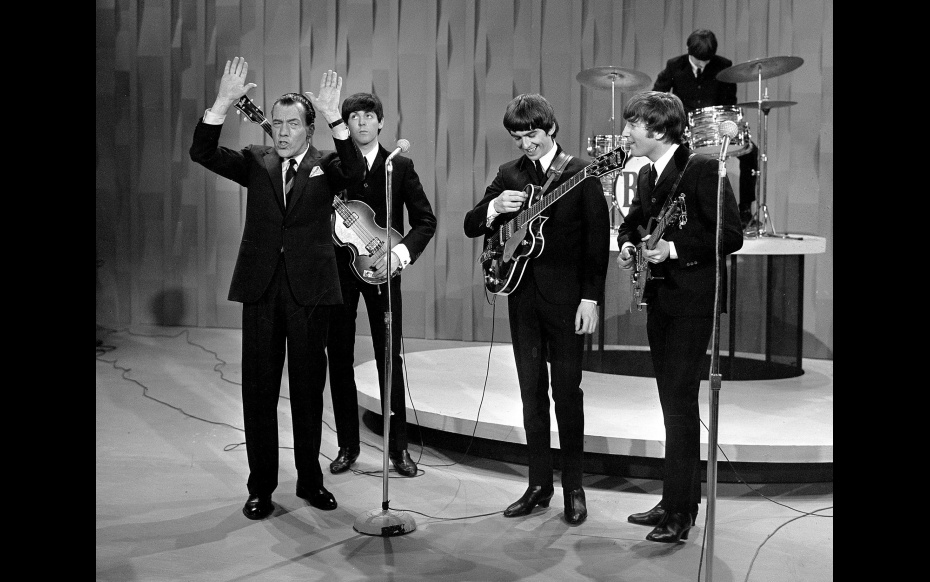
This month marks 61 years since The Beatles arrived in America-on February 7, 1964-and changed music, Sunday nights & pop culture forever with their first appearance on “The Ed Sullivan Show”-on February 9, 1964.

Here is the post I wrote about this epic event on the 55th anniversary in February 2019:

February 9, 1964.  One night.  One show.  One band.  And the rest, as they say, was history.

Ed Sullivan with The Fab Four on February 9, 1964. (Photo courtesy of CBS. Image found online.  Original source unknown.)

The Beatles on February 9, 1964. (Photo courtesy of CBS. Image found online.  Original source unknown.)

There isn’t anything to add to this moment in history.  It was perfect.  And it changed music and subsequently the world forever.  Thank you, Mr. Sullivan, for introducing us to John, Paul, George & Ringo.  For all they gave us, for all those they inspired and all those that came after them.  This was the moment that started it all.

The performance of this song does not get as much recognition as the other songs they sang that night, but it was during this number that each of the Beatles were identified by their first name.

The Beatles:  “Till There Was You” (1963, written by Meredith Willson).

Stay safe & well.